Riyadh, Saudi Arabia
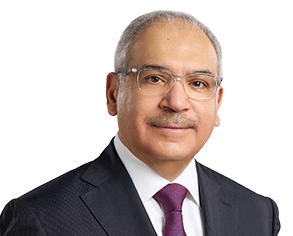
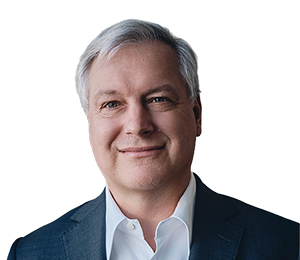
The International Energy Forum (IEF) today welcomed Joseph McMonigle of the United States as its new Secretary General.
Mr. McMonigle begins his four-year term on July 1 as the IEF’s fifth Secretary General and the first US citizen to hold the position.
“I am honored by executive board’s confidence in electing me as Secretary General,” Mr. McMonigle said. “I look forward to working with the board and Secretariat staff to facilitate and strengthen the dialogue of important energy issues and challenges facing our member countries.”
With over 25 years in the public and private energy sectors, Mr. McMonigle is well known as an energy policy expert, geopolitical strategist, and leading analyst of energy markets.
Mr. McMonigle comes to the IEF from The Abraham Group, an international energy consulting firm he co-founded and based in Washington, DC.
Previously, Mr. McMonigle was Vice Chairman of the International Energy Agency Board of Governors (2003-2005) and Chief of Staff at the US Department of Energy (DOE) during the George W. Bush Administration (2002-2005). In addition to his other duties at DOE, Mr. McMonigle also served as Co-Chair of the US-China Energy Working Group (2003-2005).
The IEF is the world’s largest gathering of Energy Ministers from both producing and consuming countries as well as transit states. The IEF’s 70 member countries represent 90 percent of global supply and demand for oil and gas. Member countries cooperate under the neutral framework of the IEF to foster greater mutual understanding and awareness of common energy interests to ensure global energy security.
The Secretary General serves as Chief Executive and Head of Mission of the IEF, which is headquartered in the Diplomatic Quarter of Riyadh, Saudi Arabia.
Riyadh, Saudi Arabia
H.E. Sheikh Mohamed bin Khalifa bin Ahmed Al-Khalifa, Minister of Oil of the Kingdom of Bahrain shared his views on the current state of the energy market at the Global Energy Risk Forum Series that the International Energy Forum (IEF) and the Global Association of Risk Professionals (GARP) launched on 21 July, 2020.
Dialogue at the virtual IEF-GARP Global Energy Risk Forum, the first in a four-part series, focused on evolving physical and financial energy market interactions and the unusual energy market volatility caused by the impact of the COVID-19 pandemic on the world economy. In the run-up to the inaugural IEF-GARP Global Energy Risk Forum on Sustainability in an Evolving Risk Environment that is currently scheduled to take place on 26 May 2021 in Vienna, Austria, forthcoming virtual IEF-GARP Global Energy Risk Forum sessions will focus on:
The Secretary General of the IEF, Joe McMonigle and Richard Apostolik, President and CEO of GARP, provided opening remarks and welcomed H.E. Sheikh Mohamed bin Khalifa bin Ahmed Al-Khalifa and invited guests. Mr Paul Cusenza, Chairman & CEO, Nodal Exchange, set the scene for panelists Ed Morse, Global Head of Commodity Research at Citigroup and Tobias Paulun, Chief Strategy Officer of EEX Group and moderated discussions that touched on several topics including:
The Chairman of the IEF-GARP Global Energy Risk Forum Steering Committee, Vincent Kaminski, Professor of Practice of Energy Management at Rice University delivered concluding remarks and high-lighted the importance of ongoing dialogue on the IEF platform in collaboration with partner organisations. The second virtual IEF-GARP Global Energy Risk Forum on Transformative Trends in Energy Supply and Demand will take place on 15 September 2020.
Riyadh, Saudi Arabia
In response to the unprecedented impact of the COVID-19 pandemic on global energy markets, an Extraordinary Virtual Meeting of G20 Energy Ministers was held under the Chairmanship of HRH Prince Abdulaziz bin Salman bin Abdulaziz, in which the International Energy Agency (IEA), the International Energy Forum, (IEF) and the Organization of the Petroleum Exporting Countries (OPEC) took part, alongside the Islamic Development (IDB), Organisation for Economic Co-operation and Development (OECD), and the World Bank (WB).
In their concluding statement G20 Ministers agreed among others to:
The Secretary General of the International Energy Forum Dr Sun Xiansheng called for International solidarity, enhanced dialogue, and greater energy data transparency through JODI while highlighting the next IEF17 International Energy Ministers Meeting scheduled to take place on 25-26 September 2020 as an important next opportunity to take stock of developments and foster collective responses.
The mission of the IEF to strengthen global energy security, market transparency, and facilitate orderly transitions remains closely linked to the core objectives of the G20 to achieve global economic stability, sustainable growth, and to modernise international governance systems. Dialogue and cooperation agendas on the IEF and G20 platforms rely on each other to reduce risks, prevent, and adequately respond to global economic and energy market crises.
Riyadh, Saudi Arabia
Hosted by the G20 Presidency of Saudi Arabia dedicated to Realizing Opportunities of the 21st Century for All, the International Energy Forum (IEF) Secretariat presented IEF dialogue insights in the opening plenary session of the G20 Workshop on Enhancing Energy Market Stability and Security on 5 March 2020, and in three subsequent parallel sessions of the 1st G20 session of the Energy Sustainability Working Group that took place on 7 and 8 March 2020 in Riyadh.
The Group of 20 (G20) mission to maintain global economic stability and sustainable growth through voluntary governance initiatives, benefits from dialogue and collaboration on energy security and market stability that the world economy, human development, health and well-being depends on. The IEF provides the global platform for inclusive and neutral producer-consumer dialogue on energy security, market transparency, and orderly transitions that complements the pursuit of G20 objectives, and globally shared goals formulated by the United Nations (UN) and other relevant intergovernmental platforms.
In the G20 Workshop on Enhancing Energy Market Stability and Security the IEF addressed cross-cutting aspects of security in the global energy market. In the 1st G20 Energy Sustainability Working Group the IEF presented on safeguarding energy flows and infrastructure, and enhancing market transparency, in particular in respect of oil inventory data in the non-OECD region. In discussions on energy systems for a new era, the IEF highlighted the solutions that new policy concepts on climate neutrality such as the Circular Carbon Economy offers for the world economy to grow and develop in a sustainable way.
Riyadh, Saudi Arabia
The Secretary General of the International Energy Forum (IEF), Dr Sun Xiansheng; Director-General of the International Renewable Energy Agency (IRENA), Franceso La Camera; and the President of the King Abdullah Petroleum Studies and Research Center (KAPSARC), Mr Adam Sieminski co-hosted the First IEF-IRENA Seminar on Renewables and Clean Energy Technology Outlooks in collaboration with KAPSARC on 20 February 2020 at the IEF Headquarters in Riyadh.
The Roundtable was held under the Chatham House Rules. Dialogue explored the role of renewable and clean energy technology play in energy outlooks and how they contribute to energy security, orderly transitions, and sustainability. The three key sessions focussed on:
Discussions focused on renewable and clean energy technologies and approaches such as Carbon Capture Storage, the Circular Carbon Economy, the role of green vs blue hydrogen and the extent to which electrification paired with renewables can enhance sustainability. Panelists also highlighted the importance of fossil fuels and how the oil and gas industry will be a critical element in facilitating orderly energy transitions. In the end, a whole systems approach to decarbonisation will need to be applied to achieve maximum mitigation against climate change.
The First IEF-IRENA Seminar on Renewables and Clean Energy Technology Outlooks is the first event jointly hosted by the IEF and IRENA in collaboration with KAPSARC. IEF Member States have called on the IEF to pool efforts in globally integrated frameworks to accelerate energy transitions and energy efficiency gains across the full energy sector spectrum and leverage the IEF Energy Efficiency Knowledge Sharing Framework in collaboration with relevant organisations and governance platforms globally.
The outcomes of the First IEF-IRENA Seminar on Renewables and Clean Energy Technology Outlooks will be captured in an IEF Dialogue Insight Report and help to inform the global energy dialogue including but not limited to the 17th IEF Ministerial Forum hosted by Saudi Arabia and co-hosted by Morocco and Nigeria. The Forum will convene on 25-26 September 2020 in Dhahran on the theme "Vision for a New Era: The Producer-Consumer Quest for Stability, Change, and Growth."
Moderated by Dr Sun Xiansheng, Secretary General, IEF
Moderated by Asami Miketa, Senior Programme Officer, Power Sector Investment Planning, IRENA
Moderated by Adam Siemenski, President, KAPSARC
Riyadh, Saudi Arabia
The Tenth Anniversary IEA-IEF-OPEC Symposium on Energy Outlooks took place on 19 February 2019 at the IEF Headquarters in Riyadh in collaboration with the International Energy Agency (IEA), and the Organization of the Petroleum Exporting Countries (OPEC). Senior government and industry representatives from producing and consuming countries met alongside heads of international organisations, distinguished policy makers, and energy analysts, and economists to discuss energy outlooks and enhance dialogue on global energy security, energy market transparency, and orderly energy transitions.
HRH Prince Abdulaziz bin Salman bin Abdulaziz, Minister of Energy, Saudi Arabia made introductory remarks on behalf of the host country Saudi Arabia, alongside HE Dr Sun Xiansheng, Secretary General of the IEF; Dr Ayed Al Qahtani, Director, Research Division, OPEC; and Mr Keisuke Sadamori, Director, Energy Markets and Security Directorate, IEA. Mr Tommy Joyce, Deputy Assistant Secretary, Global Energy Security and Multilateral Engagement, from the US Department of Energy, was also invited to provide opening remarks as a special guest.
More than 150 senior government and industry representatives from energy producing and consuming countries contributed to the discussions on the neutral platform the IEF provides. On behalf of the three organisations, and in accordance with the recommendations of IEF and G20 Ministers, the Symposium welcomed Mr Francesco La Camera, Director-General of the International Renewable Energy Agency (IRENA), and the Gas Exporting Countries Forum (GECF), represented by Mr Dmitry Sokolov, Head, Energy Economics and Forecasting.
HE Dr Sun Xiansheng, Secretary General of the IEF; Dr Kamel Ben Naceur, Chief Executive Officer, Nomadia and former Energy Minister of Tunisia; and Mr Mark Finley, Senior Fellow in Energy and Global Oil, Baker Institute, moderated Symposium Sessions that were governed by the Chatham House Rule. Introductory keynote presentations were provided by Mr Francisco La Camera and Dmitry Sokolov on behalf of IRENA and the GECF. The three sessions discussed:
Moderated by HE Dr Sun Xiansheng, Secretary General, IEF
Moderated by Kamel Ben Naceur, Chief Executive Officer, Nomadia, Former Minister of Energy, Tunisia
Introductory Keynote by Dmitry Sokolov, Head, Energy Economics and Forecasting Department, GECF
Moderated by Mark Finley, Senior Fellow in Energy and Global Oil, Baker Institute
Introductory Keynote by Francesco La Camera, Director-General, IRENA
Riyadh, Saudi Arabia
The Secretary General of the International Energy Forum (IEF), Dr Sun Xiansheng, and the Ambassador of the European Union to Saudi Arabia, Bahrain, Kuwait, Oman and Qatar, HE Michele Cervone d’Urso, co-hosted the Fourth IEF-EU Energy Day on 18 February 2020 at the IEF Headquarters in Riyadh.
Keynote addresses, invited from both the European Union (EU) and the G20 Presidency of Saudi Arabia highlighted new green technology investment and deployment over the long-term, and how a Circular Carbon Economy can play a role towards energy sector transformations.
The event featured several speakers including:
The Fourth IEF-EU Energy Day was held under the Chatham House Rules, against the background of major new policy initiatives and market developments in Europe, the Middle East, and North Africa (MENA) that will open up new opportunities for trade, technology transfer, and investment among these regions. Participants benefited from the contributions of various European senior government and private sector panelists from Austria, Italy, the Netherlands, and Spain. Insights from organisations such as the Arab Petroleum Investment Corporation (APICORP) and projects such as “New Futures” (NEOM) provided a unique MENA perspective on energy transformations.
Discussants noted that, oil and gas companies will continue to play a major role in realising orderly energy transitions given fossil fuel demand will grow until at least 2035-2040. At the same time, new energy technology deployment and innovation, driven by advancements in Carbon Capture Use and Storage, hydrogen storage, and the implementation of a Circular Carbon Economy will allow for more orderly and enduring transitions. Panelists noted that although advances have been made, greater regional collaboration, and interconnections are necessary in accelerating energy transitions towards a carbon-neutral energy future.
Government policies will set the conditions for investment in innovation and green technologies, but economic growth requirements also play a role. The falling cost of renewable technology, the long-term prices of natural gas, and implementing efficiencies in existing energy systems will also determine the future course towards secure and sustainable functioning of the energy market.
The outcomes of the Fourth IEF-EU Energy Day will be captured in an IEF Dialogue Insight Report and help to inform the global energy dialogue including but not limited to the 17th IEF Ministerial Forum hosted by Saudi Arabia and co-hosted by Morocco and Nigeria. The Forum will convene on 25-26 September 2020 in Dhahran on the theme "Vision for a New Era: The Producer-Consumer Quest for Stability, Change, and Growth."
Moderated by Freiherr Hans-Christian von Reibnitz, Chargé d'Affaires a.i., Embassy of Germany to Saudi Arabia, former Ambassador to Oman
Moderated by HE Georg Pöstinger, Ambassador of Austria to Saudi Arabia
Paris, France
The IEF chaired an Inter-Secretariat Meeting of JODI partner organisations among APEC, EUROSTAT, GECF, IEA, IEF, OLADE, OPEC, and UNSD in Paris on 23-24 January 2020.
The meeting, hosted by the IEA at their headquarters in Paris, followed up on the progress on the various items as per the 2015-2020 JODI Action Plan and the guidance obtained from IEF Ministers and the JODI Heads of Organisations.
The meeting further discussed the following items:
Energy research and data providers, Refinitiv, and Bloomberg, took part in the meeting and briefed JODI Partners on the availability of JODI data on their data redistribution platforms and discussed how this increases JODI visibility for users.
JODI Partners will continue to enhance JODI data by the development of the Energy Data Transparency Portal. The portal is planned for launch during 2020 and will feature data beyond oil and gas including available data for coal.
Abu Dhabi, United Arab Emirates
Dr Sun Xiansheng, Secretary General of the International Energy Forum (IEF), and Francesco La Camera, Director-General of the International Renewable Energy Agency (IRENA), signed a Memorandum of Understanding (MOU) on 12 January, 2020 at the conclusion of the Tenth Session of the IRENA Assembly in Abu Dhabi.
In an important step forward for the global energy dialogue, the International Energy Forum (IEF) and the International Renewable Energy Agency (IRENA) will work together and seek greater dialogue and cooperation on energy issues. The MOU aims to provide a framework for cooperation between the two organisations that will include everything from working on joint research projects and sharing insights to collaborating on high-level events and technical workshops.
"There are many organisations that bring their own unique energy perspectives," says Dr. Sun Xiansheng. "However, we cannot solve the world's energy challenges in isolation. Now more than ever, collaboration and dialogue are needed to advance global energy sustainability and transformation towards a low-carbon energy future."
Informal dialogue between the IEF and IRENA has accelerated in recent years which culminated in a presentation by IRENA Director-General Francisco La Camera on IRENA's perspectives on the global energy transformation outlining a pathway to sustainability based on renewables on 16 October, 2019 at the IEF headquarters in Riyadh. Dialogue between both organisations will be further strengthened at the 1st IEF-IRENA Seminar on Renewables and Clean Energy Technology Outlooks in collaboration with other partners at the IEF on 20 February, 2020.
The collaboration with IRENA is in line with the IEF Vision, Mission, and Values which was formally adopted by the IEF Executive Board on 18 December, 2019. Part of this mission involves expanding collaboration and outreach with like-minded and relevant organisations at both a national and international level to strengthen the energy dialogue. The aim is to promote and facilitate greater mutual understanding of common energy issues, narrow differences between various stakeholders, cooperate in key areas, exchange views, and develop confidence and trust through improved information-sharing.
From the IEF perspective, dialogue will focus on three key pillars that include:
To ensure effective dialogue that incorporates a multitude of views and perspectives, the IEF will ensure all dialogue will remain collaborative, adaptive, balanced, impactful and reliable according to the IEF Vision, Mission and Values guidelines.
The MOU with IRENA is one of several steps towards consolidating the role of the dialogue in the future to promote inclusive economic growth, prioritise energy security, alleviate climate change, and facilitate an orderly energy transition.
Riyadh, Saudi Arabia
Dr Sun Xiansheng, IEF Secretary General, welcomed Mr Joe M Kang, President of the International Gas Union on 8 January, 2020 at the IEF headquarters to present his organisation’s views on the state of the global gas market. Entitled “The State of the Industry Global Gas Report 2019,” the presentation discussed IGU’s perspectives on the growth of natural gas and future prospects.
Mr Kang highlighted the role of natural gas in providing energy security, ensuring affordability, and facilitating sustainability. In 2018 alone, natural gas production increased by almost 5 percent and pipeline and LNG trade increased by 4 percent due to greater pipeline capacity additions and increased LNG infrastructure. Together, these developments have provided countries with greater import and export optionality and are indicative of the role natural gas will play in the future in maintaining energy security over the long-term. To achieve this shared goal, continued investment in gas infrastructure will be critical to sustaining growth, providing inclusive access, and enabling orderly energy transitions.
Lower natural gas prices are a key driver of natural gas demand growth. An average decrease of about two dollars at key global natural gas hubs in 2018 has made natural gas a more affordable fuel choice amongst energy consumers. As non-OECD energy markets such as China and India seek to reduce urban pollution, natural gas will increase its competitiveness as a cleaner fuel while providing a balance between both pricing and environmental concerns. Achieving such a balance will contribute towards enhancing energy security and orderly energy transitions. Mr Kang also noted that these efforts must be accompanied by measures from both industry and governments to reduce methane emissions and maximise the sustainability benefits of natural gas.
Looking forward, natural gas is set to increase its share in the energy mix by 2040. Currently at 22.7 percent according to the IGU, natural gas will see its percentage rise anywhere from 23-26 percent by 2040 according to major outlooks. Even under a rapid transition scenario, natural gas can see an increase up to 27 percent in the energy mix due to the forecasted reduction of coal. At approximately 650 trillion cubic meters globally, the sheer availability of natural gas is a boon for energy security. However, its future growth potential will continue to depend on its affordability, investment in infrastructure, rising technology potential as a sustainable fuel, and government policies promoting its use.
Key Links
Riyadh, Saudi Arabia
The Research Institute of Petroleum Exploration & Development (RIPED) of the China National Petroleum Corporation (CNPC) offers unique insights that enrich the global energy dialogue with Chinese perspectives on global energy trade, investment trends, and their impacts on global energy security. Dr Sun Xiansheng, IEF Secretary General, welcomed Dr Mu Longxin, Vice President of RIPED, to present the Institute’s views on global oil and gas market developments along with oil and gas exploration and development initiatives.
Dr Mu Longxin highlighted that the Americas region has yielded the greatest production increase with more than 8 percent growth in oil and gas equivalent by the end of 2018. Unconventional oil and gas production grew by almost 6 percent outpacing growth in both onshore and offshore conventional supply. Conventional oil production grew by almost 3 percent in 2018, the fastest in the past decade with notable increases coming from the US, Canada, Brazil, Iraq, and Saudi Arabia. Overall, natural gas production is growing faster than oil given the rise of new LNG technologies and unconventional drilling techniques. According to the Institute’s assessments, US tight oil production will peak around 2025; a view that is shared by other major outlooks.
Dr Hon Yongke, Director, Department of Research Management of RIPED outlined that oil and gas investment has generally declined compared to the mid-2000s but noted a rise in growth of about 2 percent in 2018. Although oil and gas sector investment has slowly trended upwards since 2016, it is far from the levels observed before the 2014 market shift, which will impact energy security in future. Lower levels of investment combined with growing geopolitical uncertainties can increase energy market volatility when sustained over an extended period.
While overall exploration activity decreased, the number of drilled wells increased dramatically since last year with close to 1700 wells drilled representing almost 15 percent growth in 2018. Newly added reserves were primarily on account of 20 large- and medium-scale oil and gas fields that are currently in production, of which 85 percent are situated in middle-shallow reservoirs. In terms of new discoveries, projects in the Eastern Mediterranean, Guyana, Russia, Norway, and Australia will add to global energy supply.
In the long-term, offshore production will dominate global exploration priorities along with strengthening independent exploration while increasing investment in science and technology. Through its devoted efforts in the past 50 years, RIPED has made an important contribution to the progress of petroleum technology and development of the Chinese petroleum industry. For more information, please see the key link and presentations below.
Key Links
Malabo, Equatorial Guinea
Dr Sun Xiansheng, IEF Secretary General, participated as a guest of honour and delivered a keynote address during the 2nd GECF (Gas Exporting Countries Forum) International Gas Seminar held in Malabo, Equatorial Guinea. The Seminar, part of the 5th GECF Summit of Heads of State and Government, convened under the theme, "Gas: Challenging the Status Quo, Creating a Sustainable Future."
H.E. Gabriel Obiang Lima, Minister of Hydrocarbons and H.E. Yury Sentyurin, Secretary General of the GECF welcomed participants and opened proceedings. Sessions were introduced by the keynote speech by H.E. Francisco Pascual Obama Asue, the Prime Minister of Equatorial Guinea.
In the session entitled "Natural Gas, Energy and Meeting Sustainable Development Goals," Dr Sun Xiansheng discussed the opportunities and challenges as they pertain to Africa's natural gas sector. He outlined five key advantages for natural gas in Africa including, the role of sustainability, cost competitiveness, abundance of resources, potential for regional integration, and spillover economic opportunities that can occur as a result of increased natural gas use. Dr Sun also pointed out three key challenges for Africa which include improving energy access, facilitating the energy transition, and increasing cooperation and dialogue amongst African countries.
Member-states reiterated their commitment to strengthen global energy security as reliable suppliers of natural gas to meet the world's growing energy demand along with enhancing cooperation and dialogue. From an emissions perspective, member states also resolved to enhance the contribution of natural gas for climate mitigation, adaptation, and protection of the environment.
The 5th Heads of State Summit and the 2nd International Gas Seminar represents the first time that the event was held on the African continent, reflecting the increasing interest of African gas-producing countries to engage with the organisation. The biannual event seeks to promote and facilitate constructive dialogue on the future of natural gas between Ministers, CEOs of national and international oil and gas companies, heads of international organisations, academia, and gas industry analysts.
Malabo, Equatorial Guinea
A JODI-Gas Information Session was held as a part of the JODI Information Seminar series on 26th November 2019 on the sidelines of the GECF International Gas Summit of Heads of State and Government in Malabo, Equatorial Guinea. The Seminar was opened by HE Sun Xiansheng, Secretary General of the International Energy Forum (IEF); HE Gabriel Obiang Lima, Minister of Mines and Hydrocarbons of Equatorial Guinea; and HE Yuri Sentyurin, Secretary General of the Gas Exporting Countries Forum (GECF).
JODI Partners were joined by associate partner, the Organisation of Arab Petroleum Exporting Countries (OAPEC), to discuss how the JODI Initiative can be best leveraged amongst JODI partners and everyday users.
The JODI Seminar also gathered government officials, industry experts, and media to discuss the progress of JODI since its inception almost 20 years ago. Speakers called for more reliable data to support short-, and long-term market research and forecasts. They also highlighted the importance of data transparency to achieve energy transition and sustainable development goals, including SDG7 that aims to "ensure access to affordable, reliable, sustainable, and modern energy for all.” Participants also provided insights on the challenges and opportunities of data collection, and how collaboration can achieve shared solutions.
The seminar is part of the ongoing JODI Five-Year Action Plan that calls for:
Cairo, Egypt
Hosted by the Ministry of Petroleum and Mineral Resources of Egypt, the Joint Organisations Data Initiative (JODI) Partners organised the 14th International JODI Conference (IJC14) in Cairo, Egypt on 20 – 21 October 2019. HE Tarek El-Molla, Minister of Petroleum and Mineral Resources opened the conference along with HE Sun Xiansheng, Secretary General of the International Energy Forum (IEF). From its founding at the 7th IEF Ministerial in Saudi Arabia in 2000, JODI has consistently delivered on calls for “improved and timely access to energy data for market assessment and transparency” in line with requests from ministers.
This 14th biennial conference gathered 140 stakeholders in addition to the JODI Partner Organisations (APEC, Eurostat, GECF, IEA, IEF, OLADE, & OPEC) and JODI Associate (OAPEC). The stakeholders included representatives of national and international oil and gas companies, governments, and data users from around the world.
The two-day ICJ14 debated how JODI could improve on delivering free, accessible, official energy data on a monthly basis with the support of the seven JODI Partner Organisations. ICJ14 Participants noted:
The key findings and operational outcomes of the conference will be reflected in the ICJ14 Concluding Statement. These will be taken forward as part of the next JODI Five-Year Action Plan that will guide the JODI Partners in taking the initiative forward over the 2020-2025 period upon the endorsement of the Heads of the JODI Partner Organisations meetings prior to the 17th International Energy Forum Ministerial (IEF17) that Saudi Arabia will host with Morocco and Nigeria as co-host in 2020.
Riyadh, Saudi Arabia
Dr Sun Xiansheng, Secretary General of the International Energy Forum (IEF), welcomed Mr Francesco La Camera, Director General of the International Renewable Energy Agency (IRENA) on 16 October at the IEF Headquarters in Riyadh. Mr Francesco La Camera presented IRENA’s perspectives on the global energy transformation outlining a pathway to sustainability based on renewables.
He highlighted the key findings from IRENA’s 2019 report, examining a renewable energy roadmap to 2050 to ensure a sustainable energy future (REmap Case). The growing share of renewables in capacity additions for electricity generation, that is well above 80 percent since 2016, shows that renewables have become competitive in the power sector. Renewable deployment and electrification together can deliver 75 percent of energy-related carbon-dioxide emission reductions. With energy efficiency measures included, this would rise to over 90 percent according to IRENA’s REmap Case projection to 2050. Mr La Camera further highlighted the many opportunities renewable deployment can create for employment, the oil and gas industry, and the Gulf region.
Discussions focused on cost implications for network stability while integrating larger shares of renewables. The shorter lifecycles and reduced efficiencies of renewables compared to other energy technology choices were also discussed alongside the merits of government support for renewable energy and fossil fuels through subsidies. Mr La Camera mentioned that renewable energy enables just energy transformations that help to alleviate energy poverty, facilitate inclusive access to modern energy services for all, and achieve greenhouse gas emission reduction goals. He concluded by mentioning IRENA’s desire to cooperate with other international organisations and financial institutions, and facilitate cooperation among the public and private sector to mobilise the investments that the Global Energy Transformation requires.
Riyadh, Saudi Arabia
The IEF welcomed Chris Birdsall, Manager of the Economics & Energy Division of ExxonMobil’s Corporate Strategic Planning Department to contribute to the IEF lecture series at its Riyadh headquarters on 6 October 2019. Mr Birdsall presented the 2019 Outlook for Energy: A perspective to 2040 which provides ExxonMobil’s perspective on energy demand and supply through to 2040, together with Ms Irene C. Chang, Industry Outlooks Manager Strategy & Portfolio Management of ExxonMobil Upstream Business Development Company, who focused on global gas market trends over the projection period.
The report informed a distinguished audience of diplomats, industry representatives and academic researchers on the company’s long-term global view of factors that will shape the world’s energy future. Discussions focused on how energy supply and demand trends evolve across regions and economic sectors, and the role that government and industry can play to scale up new technologies through regulation, trade, and partnership.
Beijing, China
Mr. Aurangzeb Qureshi, IEF Energy Analyst, represented Dr Sun Xiansheng, Secretary General, International Energy Forum, at the Global Forum on Energy Security in Beijing, China on 17-18 September 2019. The annual event was co-hosted by the Institute of Quantitative and Technical Economics (IQTE) at the Chinese Academy of Social Sciences, the Institute for the Analysis of Global Security (IAGS), and the United States Energy Security Council (USESC).
Entitled "Global Energy Security in a Changing World: Green and Innovative Solutions", the conference focussed on how energy market volatility combined with developments in green technology influence global energy security. Presentations focused on the future of China’s power sector and how energy transitions impact its current energy mix. Attendees noted a long-term decrease in coal demand that will be offset by an increase in oil and natural gas demand. Follow-up presentations promoted the development of greater inter-connectivity through China’s Belt and Road Initiative (BRI) to enhance energy security and cooperation. A special session was held on the trade dispute between China and the U.S. to discuss short and long-term impacts to the global energy market. Mr. Qureshi discussed how the trade dispute could impact the global flow of Liquified Natural Gas, Natural Gas Liquids and polymer-derived products and highlighted implications for both the U.S. and China.
Further discussions focussed on how Asian economies, integrated and linked with the BRI could improve energy access. Sessions underscored that dialogue and cooperation in both public and private partnerships among government and industry are key to ensure global energy security. The Forum concluded with a discussion on breakthroughs in energy technology, and the diversification of transportation fuels to lower emission alternatives to gasoline, such as natural gas, methanol, and hydrogen.
The latest iteration of the Global Forum on Energy Security is the eighth instalment of an initiative that started in 2012. It has now become China’s premier international platform for dialogue on the evolving global energy landscape and the changing nature of global energy security. The forum aims to promote research and information exchanges on energy security among think tanks, government officials, diplomats and industry leaders.
Abu Dhabi, United Arab Emirates
The United Arab Emirates, host of the 8th Asian Ministerial Energy Roundtable (AMER8), with India as co-host, convened 19 IEF energy ministers and 10 heads of key international organisations to debate energy security in the age of change with a view to empower responsible growth in Asia and the world, on 10 September 2019, alongside the 24th World Energy Congress held from 9 to 12 September 2019 in Abu Dhabi.
AMER8 was structured in two plenary sessions that focused ministerial dialogue on:
Ministerial dialogue sessions took place under the Chatham House rule with media and press representatives invited to the opening and concluding session of AMER8 proceedings. Key dialogue outcomes were summarised in the concluding statement by the host country.
Plenary dialogue sessions were informed by IEF Background documents developed in collaboration with the Boston Consulting Group.
India, the co-host of AMER8, will seek to advance these dialogue outcomes when it convenes the 9th Asian Ministerial Roundtable (AMER9) in 2021 in New Delhi. Ministerial dialogue findings at AMER8 will also help to inform the 17th Ministerial International Energy Forum that the Kingdom of Saudi Arabia will host in Riyadh on 17 April 2020 with Morocco and Nigeria as co-hosts.
THE ROLE OF NEW TECHNOLOGY FOR A MORE COMPETITIVE AND PRODUCTIVE WORLD ENERGY MIX
By H.E. Suhail Mohamed Al Mazrouei
PRODUCER-CONSUMER DIALOGUE IN THE AGE OF CHANGE
By HE Dr Sun Xiansheng
ENERGY SECURITY IN THE AGE OF CHANGE
By H.E. Mohammad Gul Khulmi
A BOLD AND FORWARD LOOKING ENERGY STRATEGY FOR ALL
By Dr Tawfiq-e-Elahi Chowdhury
ENERGY JUSTICE - INTEGRAL TO THE ENERGY VISION OF INDIA
By H.E. Shri Dharmendra Pradhan
ENERGY SECURITY IN THE AGE OF CHANGE AND THE ROLE OF IEF
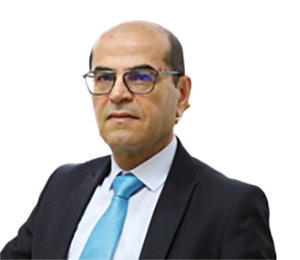
By Dr Khaled Al-Fadhel
THE GLOBAL CHALLENGE OF PROVIDING UNIVERSAL ACCESS TO ELECTRICITY
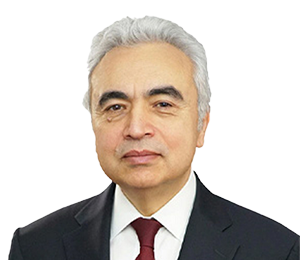
By Dr Fatih Birol
ENERGY SECURITY IN THE AGE OF CHANGE: EMPOWERING RESPONSIBLE GROWTH
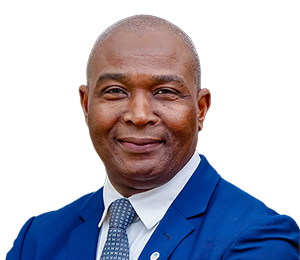
By Mohammad Sanusi Barkindo
ADVANCING INCLUSIVE ACCESS TO SECURE, AFFORDABLE, AND SUSTAINABLE ENERGY SERVICES
By Dr Yury Sentyurin
THE NEED FOR STRONGER PROVISIONS ON SUSTAINABLE DEVELOPMENT
By Dr Urban Rusnák
LET'S TACKLE CLIMATE CHANGE WITH ZERO-CARBON HYDROGEN
By Prof. Masakazu Toyoda
THE ENERGY TRILEMMA REQUIRES INNOVATION, RESEARCH AND TECHNOLOGY
By Prof. Joe M. Kang
ASIA IS THE BEATING HEART OF THE NEW ENERGY ECONOMY - PRIORITY OF RENEWABLES
By Francesco La Camera
RELIABLE AND SUSTAINABLE ENERGY: CHALLENGES AND OPPORTUNITIES
By Adam Sieminski
GLOBAL ENERGY MIX EVOLVES WITH UPTAKE OF ADVANCED TECHNOLOGIES
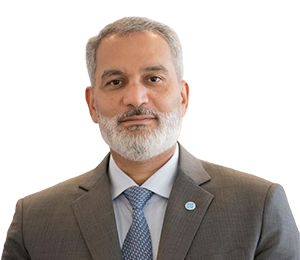
By H.E. Abbas Ali Al-Naqi
GOVERNMENTS AND INDUSTRY MUST JOIN FORCES TO EXPAND ENERGY ACCESS
By Rachel Kyte
ENABLING A TRANSITION TO A SUSTAINABLE ENERGY FUTURE IN ASIA AND THE PACIFIC
By Armida Salsiah Alisjahbana
THE CHANGE WE NEED - BASED ON CLEAR SIGHT, CREATIVITY AND COURAGE
By Dr Christoph Frei
FASTER TOGETHER: A SHARED RESPONSIBILITY TO ACCELERATE ENERGY INNOVATION
By Roberto Bocca
PRAGMATISM IN SECURE, AFFORDABLE AND SUSTAINABLE ENERGY ACCESS FOR ALL
By Prof Hidetoshi Nishimura
Karuizawa, Japan
The Secretary General of the International Energy Forum, Dr Sun Xiansheng participated in the G20 Ministers Meeting on Energy Transitions and Global Environment for Sustainable Growth that the G20 Presidency of Japan convened under the theme “Accelerating the Virtuous Cycle of Environmental Protection and Economic Growth by Innovation” on 15-16 June 2019 in Karuizawa, Japan.
For the first time, Energy and Environment Ministers from G20 countries, of which most are IEF members, gathered in joint sessions to address energy transitions and global environmental challenges. Ministers focused on Energy Security, Economic Efficiency, Environment plus Safety, while urgently addressing global issues and challenges ranging from climate change to energy access.
The producer-consumer dialogue that the IEF hosts serves as an accelerator for successful transformations along reliable pathways towards modern and sustainable solutions all can afford. Dr Sun Xiansheng contributed to the G20 Ministerial discussions by highlighting the urgent need to strengthen collaboration on new technology and innovation across the entire energy spectrum and to maintain a policy and regulatory environment that facilitates investment by enhancing market foresight and data transparency on the IEF platform.
G20 Ministers recognise that fossil fuels still play a major role in the energy transitions and acknowledge energy security as one of the guiding principles for the transformation of energy systems. They attach importance to promotion of dialogue between consumers and producers as well as global collaboration in the business sector, and the need to facilitate the proper conditions to continue and increase energy investments to ensure in sustainable, affordable, reliable, resilient and cleaner energy systems, the G20 communique noted.
Tokyo, Japan
The JODI Data User Seminar was held in Tokyo on 11 June 2019 as a side event of the G20 Ministerial Meeting on Energy Transitions and Global Environment for Sustainable Growth held under the G20 Presidency of Japan on 15-16 June in Karuizawa. The event was organised by the IEF with the support of GECF, IEA, OPEC, and UNSD and hosted by Asian Pacific Energy Research Centre (APERC) as a part of the Joint APEC-JODI Training Workshop on Oil and Gas Statistics.
The Seminar gathered JODI data users from Japan, Korea and Singapore, experts from JODI Partner Organisations and government officials from 15 economies. The wide range of stakeholders enabled an interactive discussion on the Joint Organisations Data Initiative. The framework of cooperation among JODI Partner Organisations, national administrations and data users continues to benefit global energy market data transparency.
The IEF presented on the history of JODI, a tangible outcome of the producer-consumer energy dialogue among IEF Ministers. The IEA explained the key features that differentiate JODI from other data sources and presented on how JODI data is collected and processed. OPEC and other senior experts from the private sector emphasised the value of JODI data in the market research they conduct.
A roundtable discussion moderated by APERC was held on the “Potential for enhanced energy data market transparency through improved communication among data suppliers and users”. Here Delegates from JODI Partner Organisations, and seminar attendees shared perspectives on the way forward to overcome challenges they face in compiling JODI World Databases and enable the industry to reap the benefit from easily accessible, complete, and up to date JODI data.
To implement the JODI 5-Year Action Plan, JODI Partner Organisations will continue to collaborate with all stakeholders and users to deliver on key JODI goals that foster:
The side event of the G20 Ministerial Meeting on Energy Transitions and Global Environment for Sustainable Growth, reinforced JODI Partner Organisations work on strengthening energy security which, is one of the guiding principles for the transformation of energy systems, the advance of energy transitions and the support of sustainable growth through free, timely, and robust JODI data.
Tokyo, Japan
JODI Partner organisations held a joint JODI-APEC Workshop on Oil and Gas Statistics in Tokyo, Japan from 11-13 June 2018. This joint workshop was hosted by the Asia Pacific Energy Research Centre (APERC) and held as part of APERC training for their member economies on Oil and Gas Statistics with the support of JODI Partner Organisations (GECF, IEA, IEF, OPEC, and UNSD) with a view to train experts on how to compile statistical energy balances in accordance with JODI standards.
More than 30 delegates from 15 countries in the Asia Pacific Region as well as many international organisations and companies attended, including the Economic Research Institute for ASEAN and East Asia (ERIA) and CNPC Research Institute of Economics and Technology. The wide range of participants improved understanding of the standards JODI applies, and strengthened the capacity of statistical agencies to enhance energy market data transparency in the Asia Pacific region.
For the first time since JODI's inception, the workshop was held as part of APERC training programme. The cooperative spirit between APEC and the JODI Partner Organisations enabled this joint and mutually beneficial initiative.
Several of the JODI Partner Organisations sent experts to present on the merits and technicalities of JODI, highlighting the importance of cooperation in delivering upon Ministers' calls for enhanced global energy market data transparency. Presentations by JODI Partners detailed the applications of JODI data and highlighted the importance of data granularity for usability. These perspectives underlined the need for clear data definitions and submissions. In addition the workshop assisted attendees in improving collaboration with business entities who report data to national administrations.
The workshop was also held to extend JODI outreach and improve data availability as part the JODI 5-Year Action Plan toward 2020.
Shanghai, China
Dr Sun Xiansheng, Secretary General of the International Energy Forum (IEF) and Mr Jiang Yan, Chairman of the Shanghai Futures Exchange (SHFE) hosted the 1st IEF-SHFE Industry Advisory Committee on the Emerging Asian Energy Trading Market within the framework of the 16th Shanghai Derivatives Market Forum (SDMF) that took place on 27-29 May in the International Convention Centre Shanghai, China. Dialogue focused on the role of newly emerging price discovery mechanisms and risk management tools for evolving producer-consumer relations to strengthen secure, efficient, and sustainable energy trade and investment flows in Asia's growth economies.
The meeting was co-hosted by the IEF and SHFE together with the Shanghai International Energy Exchange (INE), the China Petroleum and Chemical Industry Federation (CPCIF) and sponsored by the Bank of Communications of China (BOCOM). Mr Fu Xiangsheng, Vice Chairman, CPCIF and Mr Xu Bin, President and Party Secretary, BOCOM Shanghai Branch, welcomed delegates and provided opening remarks alongside the hosts. Mr Fu Chengyu, former Chairman, SINOPEC & CNOOC gave a key note speech as a special guest. Discussions were structured in three sessions that focused on:
Energy market stability will continue to rely on building understanding and trust among producers and consumers that seek to foster new bonds in the Asian Pacific region. This ranges from new price formation and risk management tools, bolstering confidence in price discovery and reporting agencies, to an equitable distribution of burdens and benefits among stakeholders that maintain energy security and resilience through spare capacity, strategic stocks, commercial inventories and enhanced data transparency.
The Shanghai Futures Exchange, the Shanghai International Energy Exchange, and other newly emerging trade platforms stand at the centre of these new momentous developments in Asia. Around 60% of crude traded on the Shanghai International Energy Exchange is sourced from the Middle East which ships 75% of its total exports to Asia. New large importers increasingly influence price formation and will move pricing East of Suez as more crude flows from the Middle East to China, India, and other growth economies in South West, and North East Asia.
Participants found that dialogue on the platform that the IEF provides in close collaboration with the Shanghai Futures Exchange will strengthen newly emerging market signals from transparent and reliable functioning trading hubs. This will offer market participants the opportunity to manage risks effectively while reducing transaction cost in the interest of secure, efficient, and sustainable energy markets in Asia and beyond.
Outcomes will help to inform the global energy dialogue including the 8th Asian Ministerial Energy Roundtable hosted by the United Arab Emirates on 9-10 September 2019 in Abu Dhabi with India as co-host, and the 17th International Energy Forum Ministerial hosted by China in 2020 with Morocco as co-host.
The full annotated agenda and presentations made available to download are listed below under key documents.
Cape Town, South Africa
Hosted by HE Jeff Radebe, Minister of Energy of South Africa, Dr Sun Xiansheng, Secretary General of the International Energy Forum (IEF), and Mr Belkacem Ouzrourou, Director Africa Region of the OPEC Fund for International Development (OFID) opened the 4th IEF-OFID Symposium on Energy Poverty that took place on 2-3 May 2019 in Cape Town, South Africa. Dr Dapo Odulaja, Head of the Data Services Department of the Organisation of the Petroleum Exporting Countries (OPEC) also welcomed delegates on behalf of HE Mohammad Sanusi Barkindo, Secretary General, OPEC.
HE Jeff Radebe underlined the importance that South Africa attaches to international engagement and dialogue on the platform that the IEF provides to attract investment, improve energy systems, and ensure affordable access to modern energy services for all. Dr Sun Xiansheng, and Mr Belkacem Ouzrourou highlighted the links that exist between the alleviation of energy poverty and economic development. They recognised the need for enhanced dialogue on the many opportunities available and new energy policy and technologies offer for investment and expanding capacity. Invited to give a keynote address, HE Mahaman Laouan Gaya, Secretary General of the African Producers’ Organisation (APPO) addressed the central role that affordable and modern energy services play in the fulfilment of all Sustainable Development Goals of the UN2030 Agenda, and how hurdles may be overcome to close the gap.
Set in a context in which a minority of Sub-Sharan Africa has access to electricity, and under 15% have access to clean cooking fuels according to the latest UN figures. The 4th IEF-OFID Symposium Symposium was structured in five key sessions:
Session moderators and panellists included senior representatives of intergovernmental organisations, as well as government, and private sector companies including Rashid Ali Abdallah, Executive Director of the African Energy Commission (AFREC) and senior experts of the Economic Community for West African States (ECOWAS), the United Nations Industrial Development Organisation (UNIDO), the International Renewable Energy Agency (IRENA), and JODI Partner organisations.
Discussions focussed on the solutions that alternative energy delivery systems such as Liquified Petroleum Gas (LPG) and smart grid electrification can offer for clean cooking and rural areas respectively when compared to the cost of national network extensions. The delivery of clean cooking and electricity services is linked to a nexus of development in health, education, gender equality, and opportunities for social-economic growth and stability. Increased public-private energy sector cooperation should extend across borders to enable more diverse and secure energy supply. Outreach on energy policy and regulation will facilitate both national and regional infrastructure investment. Symposium participants acknowledged that while advances are being made there is a need to improve regional cooperation towards the provision of universal energy access to modern energy services and the complete alleviation of energy poverty.
The full agenda and the concluding statement are available to download alongside speeches and presentations as listed below.
Moderated by: Fuad Siala, Strategic Planning & Economic Services Department, OFID
Moderated by: Rashid Ali Abdallah, Executive Director, African Energy Commission (AFREC)
Moderated by: Dapo Odulaja, Head, Data Services Department, OPEC
Moderated by: Mahama Kappiah, ECOWAS Center for Renewable Energy and Energy Efficiency
Moderated by: Ivan Yaholnitisky, Director, Bethel Business and Community Development Center in Lesotho
Cape Town, South Africa
The Joint Organisations Data Initiative (JODI) Energy Data Transparency Workshop for Sustainable Future was held on 30 April-3 May 2019 in Cape Town, South Africa supported by energy data experts from both public and private sectors and attended by some 60 attendees from 14 countries. The workshop was held with the support of JODI partner organisations under the auspices of HE Jeff Radebe MP, Minister of Energy of South Africa.
HE Jeff Radebe remarked that policies, informed by sound data are vital to the improvement of energy systems and economic development, stating that the importance of energy data could not be underestimated. Attendees noted that by building capacity for energy data collection in Africa, national administrations can organise and display data where it is accessible, not just to industry, but to governments, investors and academics to strengthen data transparency and inform dialogue. The availability of such data enhances evidence based strategies for economic development by informing decision makers of a countries energy needs. The active monitoring of policy impact also facilitates policy adjustments, by providing the necessary feedback for assessment of policy progress.
Attendees of the four-day workshop also outlined the importance of energy data to contribute to a more stable global energy market and to increase financial investments in energy infrastructure. This facilitates a less volatile energy future recognising that energy transitions require a quantitative understanding of the current status quo. Through the workshop technical linkage between annual and monthly data collections were explained alongside differences in advantages and focuses of these two energy data collection activities from policy making perspective. To provide for both data collection time frames JODI (Oil and Gas) monthly data collection, annual energy statistics and balances compilation as well as principles of energy efficiency indicators were explained. Energy data transparency in Africa provided improved understanding of their energy system, challenges and opportunities to enable better long term planning and investment decision making.
The workshop covered the following topics:
In addition, the Workshop ran alongside the 4th IEF-OFID Symposium of Energy Poverty at the same venue. The workshop attendees benefited from both events, seeing the application that collection of energy statistics has to decision making in the alleviation of energy poverty in Africa.
Presentations are available for download here.
Riyadh, Saudi Arabia
The International Energy Forum welcomed the Deputy Director of the Foreign Economic Relations Research Department of the Research Center of the State Council of the People’s Republic of China, Dr Wang Jinzhao on 25 April to give a presentation on energy cooperation between China and Saudi Arabia, and the wider region.
Dr Wang’s presentation featured an analysis of the cooperation between China and Saudi Arabia, as the largest oil importing and exporting nations, respectively. Discussions focused on long-term strategy to build comprehensive, reciprocal, sustainable and inclusive cooperation between China and Saudi Arabia, while strengthening oil trade relationships, expanding mutual investment in oil and gas and promoting energy cooperation in the Belt and Road regions. The presentation was followed by a discussion among the dignitaries from the Riyadh energy community in attendance.