
The Role of Carbon Markets in Transitions


Introduction
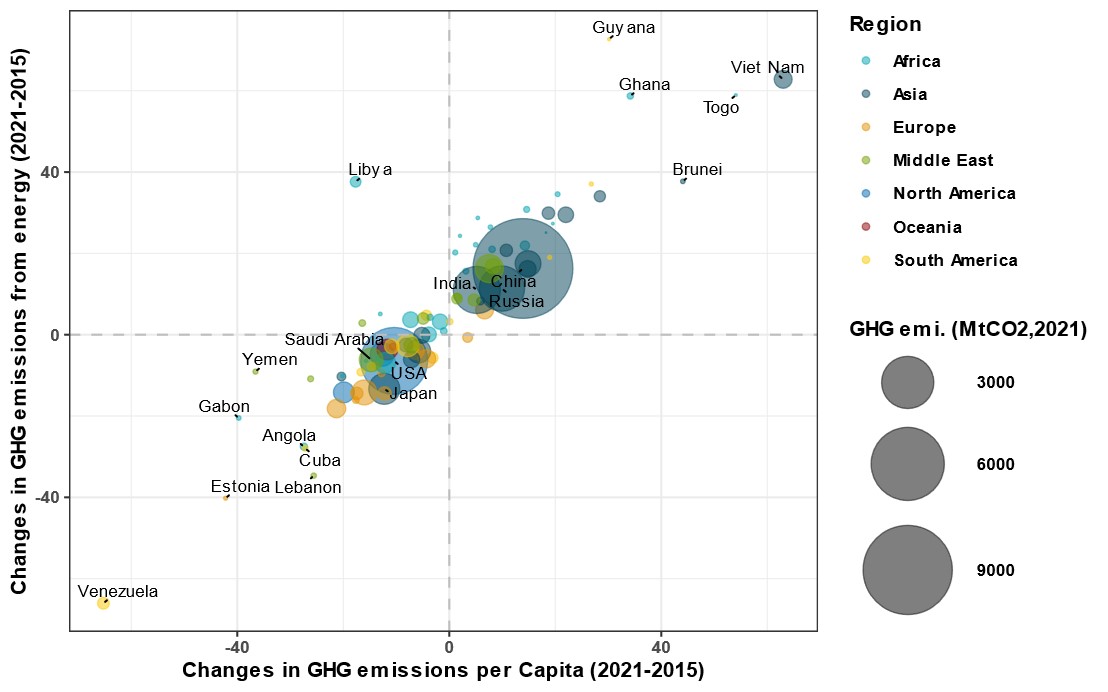
Given the increasing efforts by governments to explore strategies addressing climate change, the world continues to demand more innovative technologies and mechanisms to achieve nations' climate targets and sustainable development goals. However, despite the proliferation of all these mitigation strategies, there has been a more than 3% increase in energy-related emissions since the Paris Agreement, as reported by the IEA (see figure 1). The relative decrease in greenhouse gas emissions from developed countries post the Paris Agreement was followed by an increase in emissions from emerging economies. Despite this rise in emissions from developing non-OECD countries, per capita emissions are still less than half of those in developed OECD countries. Given the increasing population growth accompanied by a growing need to lift people from poverty and overcome inequality in the next decades, it is crucial to enable policymakers to take climate mitigation actions without restricting economic and social prospects, especially in emerging economies in Asia and Africa.
Key Charts
Figure 1 - Shifts in GHG emissions following the Paris Agreement
 Download Figure 1
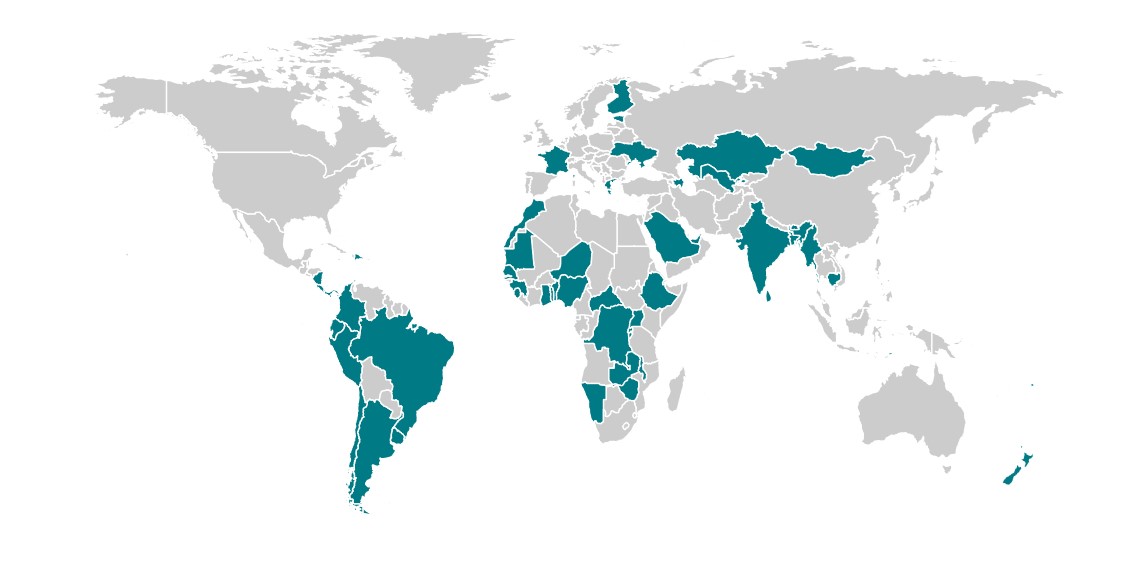
Figure 2 - Global mapping of Designated National Authorities for Article 6 of the Paris Agreement
 Download Figure 2
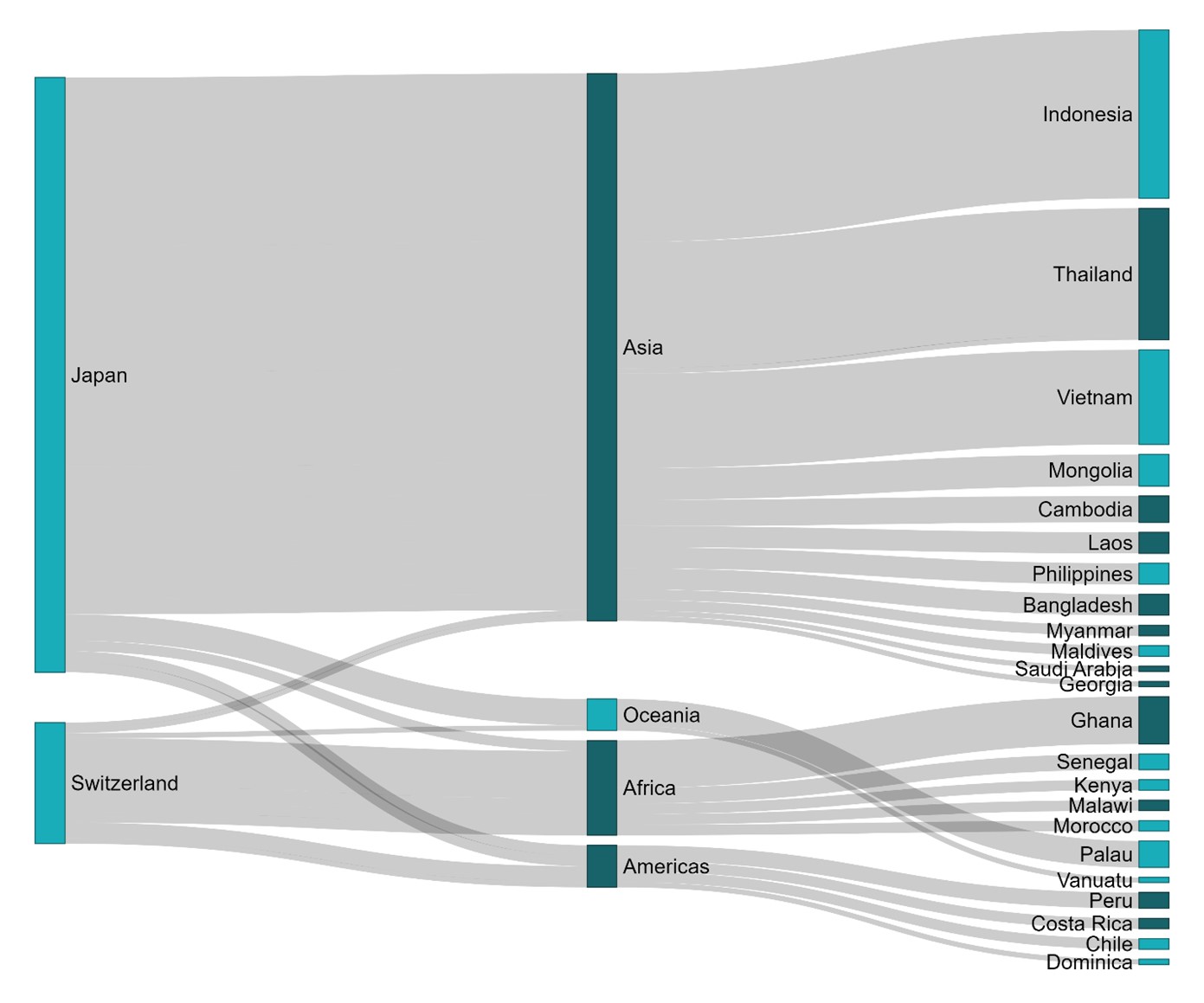
Figure 3 - Bilateral Agreements between countries purchasing carbon credits (left) and those selling them (right), under Article 6.2 of the Paris Agreement
 Download Figure 3
About the International Energy Forum
The International Energy Forum (IEF), the global home of energy dialogue, is the trusted and neutral intergovernmental platform for energy dialogue among member states, industry leaders, and experts. Its Ministers represent producing, consuming, and transit countries in every region, at every stage of economic development, and across both established and emerging energy-system supply chains. The IEF advances global energy security through open and inclusive dialogue spanning all fuels, technologies, and systems.
