
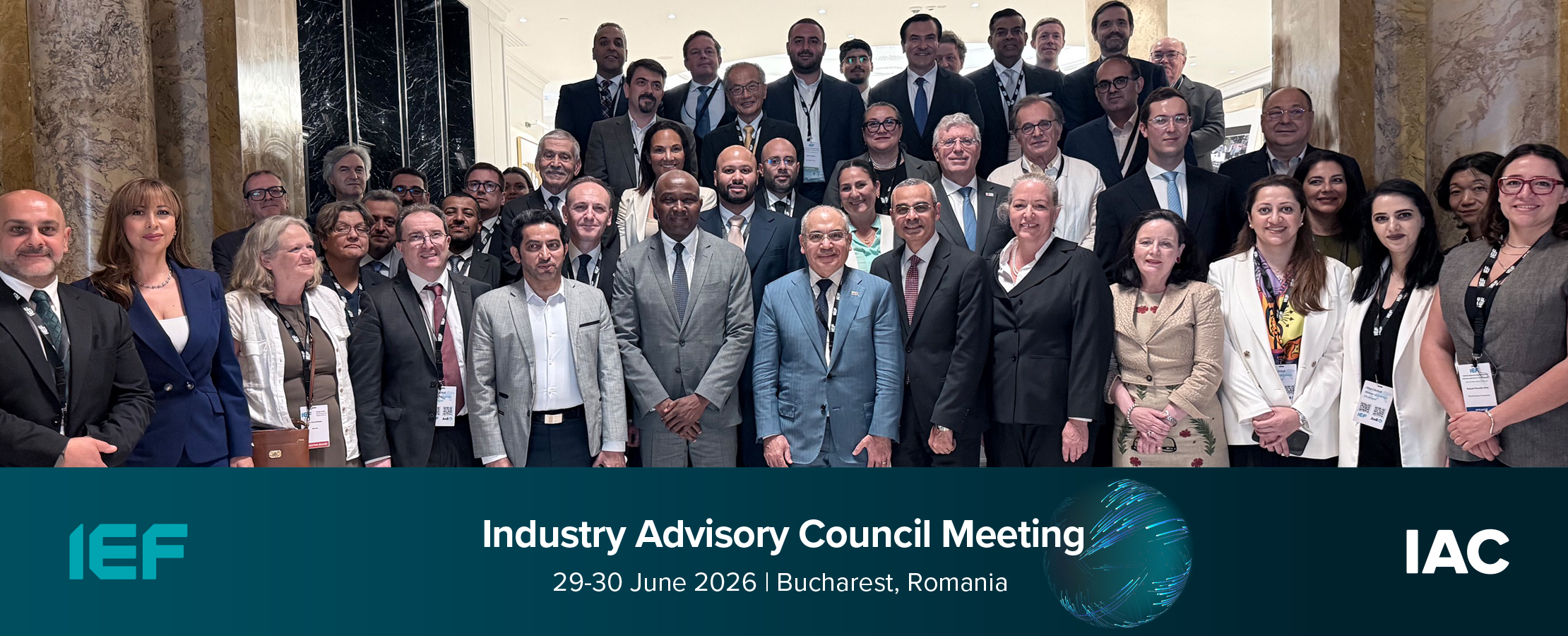
Industry Advisory Council Meeting: Stabilizing Energy Markets in a Disrupted World
Monday 29 - Tuesday 30 June 2026
Bucharest, Romania


The International Energy Forum's Industry Advisory Council (IAC), convening in person on 29-30 June 2026 in Bucharest, Romania, in conjunction with the IEF Executive Board Meeting serves as a pivotal platform for candid dialogue among senior executives from across the energy value chain to help prioritize the focus of the government led IEF energy dialogue.
The IAC is hosted in Romania, a key European Energy Hub bridging a rapid transition toward decarbonization, by replacing coal with gas, renewables, and nuclear. Romania also leverages the EU internal markets and Black Sea LNG for energy market security. The IAC's Bucharest meeting is timely and relevant against the backdrop of Europe's vulnerability to supply disruptions and its global leadership on multilateral non-discriminatory trade, climate change mitigation measures, push for clean industrial competitiveness, and green transition partnerships world-wide.
Building on the findings of the February 2026 IAC in Riyadh held in conjunction with the 16th IEA-IEF-OPEC Symposium on Energy Outlooks chaired by HRH Prince Bin Salman Abdulaziz Al Saud, Minister of Energy of Saudi Arabia, this Bucharest meeting will prioritize collective strategies to mitigate the Hormuz shock's cascading effects, foster stable markets, and ensure equitable transitions that prioritize energy security without unduly compromising affordability or sustainability while recognizing regional complementarities and policy trade-offs.
In the wake of Hormuz's closure, IAC deliberations will review investment, trade, and technology choices for global energy security, connectivity, and resilience to stabilize markets in a disrupted world. Convening under the Chatham House Rule, the meetings will be structured in four key sessions to discuss impacts and short-term crises response and reinforce global market functioning and stability through options to stimulate investment, diversify infrastructure, improve fiscal predictability and regulatory clarity and cohesion.
Session structure
- Opening by IEF Secretary General: Host Country Keynote by Ministry of Energy of Romania
- Session 1: Stabilizing Post-Hormuz Markets: Impacts and Responses to Meet Energy Demand in a New High-Risk Environment
- Session 2: Energy Security, Connectivity, and Resilience: Improve Global Market Functioning or Find Energy Solutions Closer to Home?
- Session 3: Access to Electrons, Molecules, and Minerals: Trade-Offs to Keep Shared Goals within Reach
- Session 4: Fuel Security, Decarbonization, and Affordability: Policy and Sustainable Financing Impact on Energy Investment and Trade
- Closing Plenary: Meeting the Moment in a Disrupted World: IAC Recommendations to IEF17 Ministerial on Dialogue and Data
Held ahead of the IEF17 Ministerial hosted by Saudi Arabia on 11 October in Riyadh, the IAC will take stock and integrate industry insights to shape a forward-looking Ministerial agenda, generating actionable recommendations to navigate market fragmentation, derisk investments, and deliver reliable, clean energy for all stakeholders in a post-Hormuz world (please see the draft agenda including session introductions and IEF scene setter).
Setting the Scene
The global energy landscape has been profoundly disrupted by the unprecedented and sustained closure of the Strait of Hormuz, triggering a severe supply shock that has sent oil prices soaring, constrained crude oil, products, and liquefied natural gas (LNG) flows, exposing vulnerabilities in hydrocarbon (especially jet fuel and other middle distillates) and further essential commodity markets such as fertilizer, aluminum, and helium. This crisis underscores the world’s economic reliance on interconnected markets and the degree to which elevated risk and uncertainty is now the norm. The importance of producer-consumer dialogue cannot be overstated. Inclusive, engagement and data sharing safeguard global energy security, market stability, and transitions to reach shared goals in an era of increased geopolitical adversity, market volatility, and more diverse energy and climate policies.
Beyond Hormuz, population growth, urbanization, industrialization, technology advancements and the compelling need to share energy prosperity more fairly, while reducing greenhouse gas and other harmful emissions, will continue to drive energy demand and innovation forward. These call for equally unprecedented energy investment, trade, and technology decisions in both emerging and developing economies. Having suffered three successive shocks, the global energy system will not return to yesterday's new normal. Though many lessons have been learned from earlier crises not all have been fully addressed. This supply shock challenges producers and consumers to recalibrate investment, trade, and technology choices relating to energy security, connectivity, and resilience and stabilize markets in a disrupted world.
Global industry leaders are confronted by the daunting challenge of safeguarding reliable energy access for billions while navigating skyrocketing trade and investment costs. In addition to escalating input prices, industry must deal with disrupted and lengthened shipping routes, as well as ever more distinct and diverse compliance requirements ranging from environmental and social governance to sustainable financing criteria and sanctions due to rising energy, climate, and security demands. Energy and climate policy post Hormuz are taking on added foreign policy and security considerations too. This includes a reinvigorated dash for home-sourced renewables and nuclear, rightly making the reinforcement of networks, and diversification of infrastructure, supply chains and sources (including bioenergy hydrogen and sustainable fuels and critical minerals) key priorities in advanced economies.
Developing economies are more severely affected, priced out of LNG and oil markets for the second time by the buying power of developed economies now that LNG and oil market abundance has turned to scarcity overnight. Reducing exposure to international energy and commodity markets by doubling down on developing local energy resources and resilience is the first risk management response in the global south as well. Increased investment in local oil, gas, renewables and critical minerals in the developing economies of Africa, and beyond, will benefit global energy security through the added diversity it offers. However, responses will also favor greater reliance on domestic coal and delay decarbonization in exactly those world regions that drive global energy demand growth.
With developing and advanced economies prioritizing opposing energy policy and technology pathways; a dash for cutting-edge clean technologies versus reliance on resource and affordable technology availability, the fall-out from the current crisis risks creating a division in global energy markets and a loss of technology neutrality. Without IEF dialogue deepening understanding, future energy policy settings will further erode global energy market efficiencies and policy predictability halting much needed energy trade, investment, and innovation to meet future energy demand.
To stabilize markets in a disrupted world, deeper and more inclusive dialogue engagement and data sharing is needed. Policy makers should acknowledge that energy security remains a shared responsibility in which the transparent and predictable functioning of global energy markets is central for cost effective crises responses, energy trade, investment and innovation to deploy at scale and speed.
Rather than an untimely and costly retreat to regional market solutions and technology preferences, producers and consumers should enhance dialogue on energy security sustainability and affordability, reducing unnecessary hurdles and reestablishing policy clarity. To overcome persistent cost of living and energy access/poverty crises, structural underinvestment in an aging resource base and public infrastructure due to public financing and regulatory constraints, industry and private sector financing should be empowered to follow through more decisively with energy investments, trade opportunities, infrastructure expansions and the innovative solutions that the world needs today.
Speakers
Welcome and opening
-
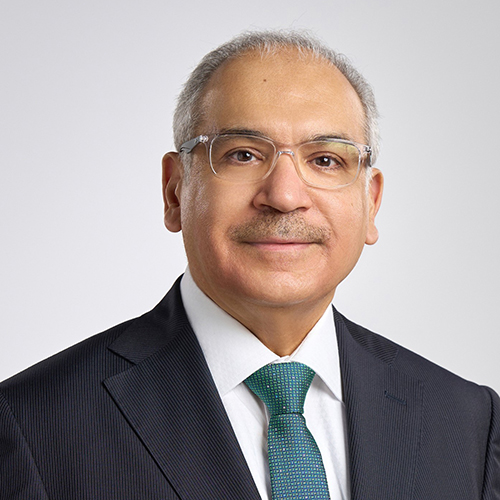
Jassim Alshirawi
Secretary General, IEF
Jassim Alshirawi
Secretary General, IEF
Jassim Alshirawi is the sixth Secretary General of the International Energy Forum (IEF), the largest international organization of energy ministers, headquartered in the Diplomatic Quarter of Riyadh, Saudi Arabia. His term officially began on January 1, 2025.
The first Secretary General of the IEF from the Middle East, Mr. Alshirawi is seasoned veteran of the energy industry with over 40 years of energy experience and leadership in both the public and private sectors.
Mr. Alshirawi contributed to the advancement of Bahrain's energy sector in various roles, including as advisory to the Minister of Oil & Gas, and in multiple leadership roles at the Bahrain Petroleum Company (Bapco), the National Oil & Gas Authority, the Ministry of Oil. He has contributed towards the development of the Sustainable Energy Centre, that oversaw the implementation of National Renewable Energy and Energy Efficiency Plans under Bahrain's Minister of Electricity and Water.
He has coordinated Bahrain's participation in a number of energy organizations, including WPC (now WPC Energy), the International Gas Union (IGU), the IEF, and OPEC.
With seven years of experience as Bahrain's representative on the Executive Board and nine years on the International Support Group of the International Energy Forum, Mr. Alshirawi brings in-depth knowledge of the organization he now leads.Mr. Alshirawi's lifelong contributions to Bahrain's energy and engineering sectors were honored in 2019 when His Majesty King Hamad Bin Isa Bin Salman Al Khalifa awarded him the prestigious the Order of National Action medal.
Session 1: Stabilizing Post-Hormuz Markets: Impacts and Responses to Meet Energy Demand in a New High-Risk Environment
Moderator
-
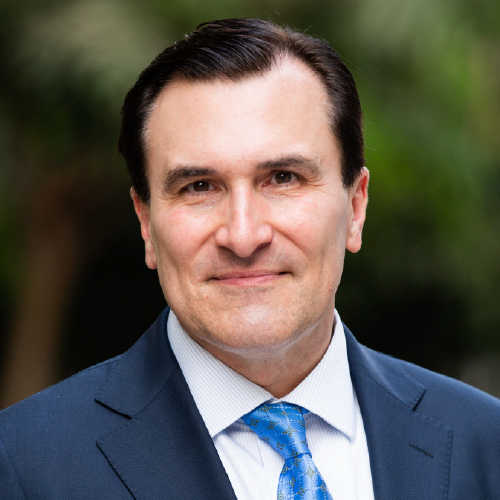
Joseph McMonigle
Managing Director, MIP Real Assets
Speakers
-
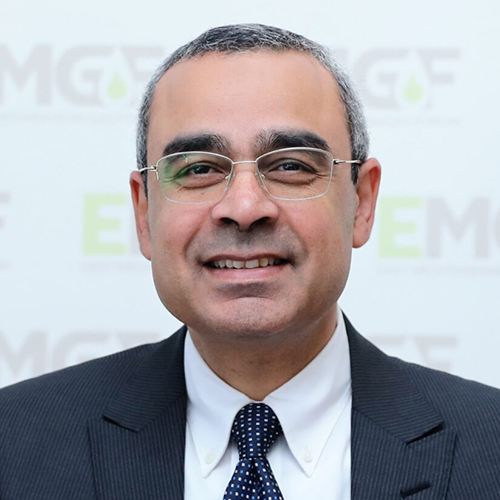
Osama Mobarez
Secretary General, EMGF | East Mediterranean Gas Forum
Osama Mobarez
Secretary General, EMGF | East Mediterranean Gas Forum
Osama Mobarez has 30 years of experience in the Oil & Gas industry. He is currently the Secretary General of the East Mediterranean Gas Forum; Osama had a key role in the establishment and activities of the East Mediterranean Gas Form (EMGF).
In his previous role at the Egyptian Ministry of Petroleum and Mineral Resources as the Undersecretary for Technical office, he was responsible for the Realization Office to drive Egypt’s Modernization Program across the Oil & Gas sector.
Over his career he supported the development of policies and reforms within the petroleum sector in Egypt including, a comprehensive energy subsidy reform strategy, initiation of gas market reforms, modification and update of upstream agreements, and feasibility studies of infrastructure development projects.
Osama led bi-lateral cooperation with other countries on oil and gas topics, as well as communication with financial institutions and oil and gas organizations. He was Egypt’s representative in the Executive Board of the Gas Exporting Countries Forum (GECF), and the International Energy Forum (IEF). He was also the Chairman of the Organizing Committee of Egypt Petroleum Show EGYPS, the biggest oil and gas show in Africa and Southern Mediterranean.
Osama holds an MBA with Distinction from Edinburgh Business School, Heriot Watt University UK, and completed Post- Graduate Studies in Economics of Energy at Reading University UK.
-
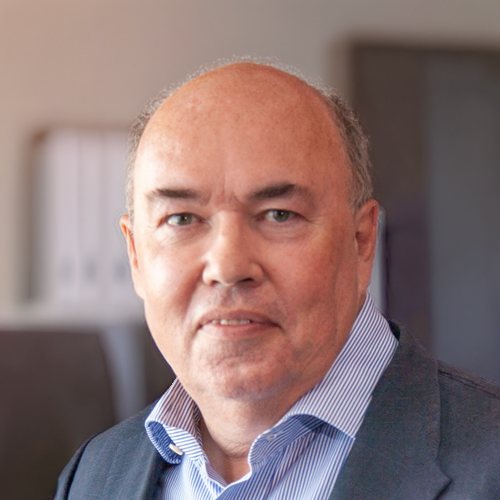
Paul Horsnell
Chair of the Board, OIES | Oxford Institute for Energy Studies
Paul Horsnell
Chair of the Board, OIES | Oxford Institute for Energy Studies
Dr. Paul Horsnell is an independent energy analyst and Chair of the Board of the Oxford Institute for Energy Studies. Previously he was Head of Commodities Research at Standard Chartered Bank, Head of Commodities Research at Barclays and Head of Energy Research at JPMorgan.
Before entering the finance industry he was Praelector in Economics at Lincoln College, Oxford, and Assistant Director for Research at the Oxford Institute for Energy Studies. He is a former Chair of the British Institute of Energy Economics.
-
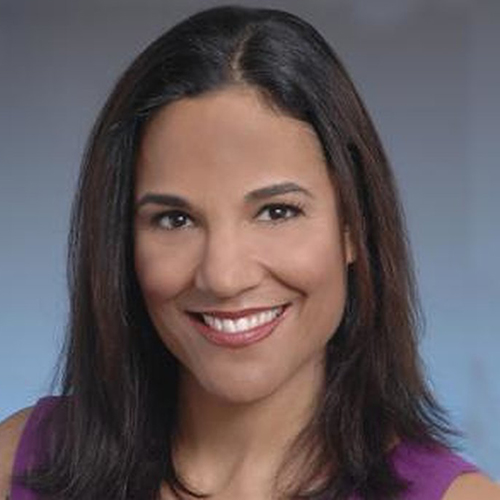
Helima Croft
Global Head of Commodity Strategy, RBC Capital Markets
Helima Croft
Global Head of Commodity Strategy, RBC Capital Markets
Helima is a Managing Director and the Head of Global Commodity Strategy and Middle East and North Africa (MENA) Research at RBC Capital Markets. She specializes in geopolitics and energy, leading a team of commodity strategists that cover energy, metals and cross-commodity investor activity.
Helima is a member of the National Petroleum Council, a select group of individuals who advise, inform and make recommendations to the Secretary of Energy with respect to any matter relating to oil and natural gas. She also is a CNBC contributor, a member of the channel’s exclusive family of experts, is on the Board of Directors for the Atlantic Council, is a member of the Trilateral Commission, and is a Life Member of the Council on Foreign Relations.
Helima joined RBC Capital Markets from Barclays, where she was a Managing Director and Head of North American Commodities Research. Prior to that, she worked in Lehman’s Business Intelligence group, the Council on Foreign Relations and the Central Intelligence Agency, where she focused on geopolitics and commodities.
Helima has received many industry accolades throughout her career and received her PhD in economic history from Princeton in 2001.
-
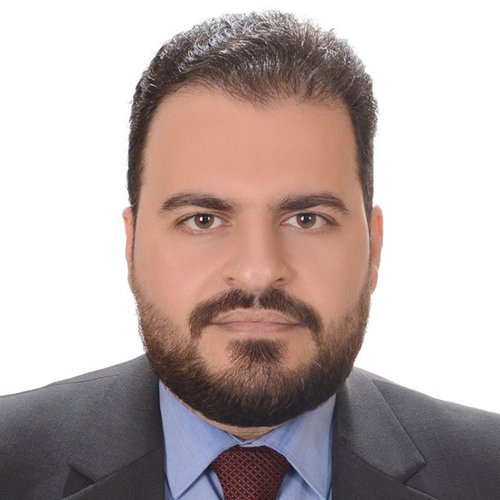
Ali Al Shatari
Director General Iraq's State Oil Marketing Company (SOMO), Ministry of Oil of Iraq -
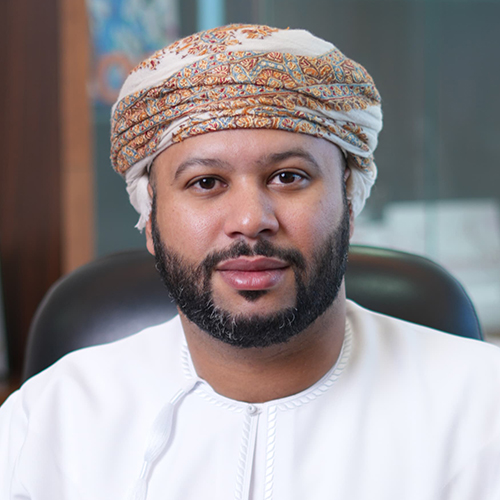
Harith Al Suleimany
Executive Director, Seven Seas Petroleum
Harith Al Suleimany
Executive Director, Seven Seas Petroleum
Harith Al Suleimany is the Executive Director of Seven Seas Petroleum (SSP), a leading Omani energy enterprise with over two decades of contribution to the Gulf's oil, gas, and petrochemical landscape. In his capacity as Executive Director, Harith oversees the company's strategic direction, major partnerships, government relations, and regional growth initiatives—roles that place him at the center of high-level engagement across the energy sector.
Backed by a formal academic foundation in Energy Studies with a focus on Sustainable Energy Systems, Harith brings a forward-looking perspective to SSP's growth. His educational background has shaped his approach to integrating modern energy technologies, environmental best practices, and long-term sustainability considerations into the company's strategic operations and partnerships.
Harith's leadership spans the full value chain of SSP's operations, including oilfield and petrochemical chemicals, drilling and production solutions for large-scale national projects, industrial technologies, and digital transformation initiatives. He has been instrumental in expanding the company's portfolio to support national oil companies, downstream operators, and international EPC contractors with high-value technical solutions and mission-critical supply capabilities.
A key driver of international collaboration, Harith manages relationships with global technology
providers, specialty chemical manufacturers, advanced equipment suppliers, and engineering partners across Asia, Europe, and North America. His efforts have strengthened SSP's role as a regional gateway for advanced industrial and chemical solutions entering the GCC markets—supporting major clients and national operators with enhanced operational reliability and innovation.Harith is also an active proponent of energy efficiency, sustainability, and digital modernization within the sector. Under his direction, SSP has championed the integration of next-generation technologies and environmentally aligned, environmentally friendly solutions that support Oman's, the GCC's, and COP's long-term energy transition priorities. Throughout his career, he has monetized over 18 flare gas sites and played a significant role in supporting clients to reduce thousands of tons of CO₂ annually. In addition, he has set the foundation for integrating world-class electrolyzer technologies for green hydrogen—advancing the downstream and petrochemical sectors in their transition toward achieving top-quartile performance.
Recognized for his ability to engage effectively with senior government stakeholders, C-suite executives, and international decision makers, Harith plays a prominent role in shaping strategic dialogues around supply resilience, industrial development, and cross-border energy cooperation.
With a leadership philosophy grounded in excellence, partnership, and forward-thinking industry development, Harith Al Suleimany represents a high-level executive figure whose contributions continue to advance the region's energy and petrochemical ecosystem
-
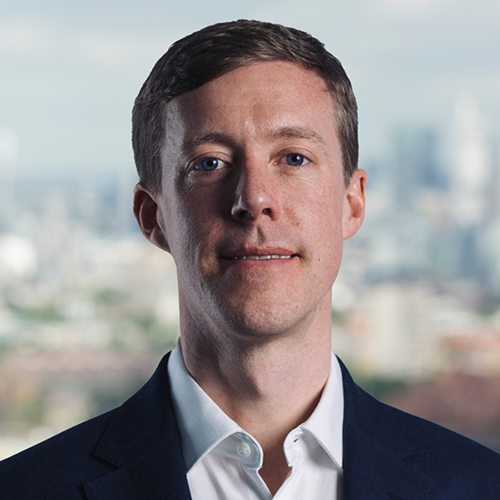
Richard Bronze
Head of Geopolitics, Energy Aspects
Richard Bronze
Head of Geopolitics, Energy Aspects
Richard Bronze is Head of Geopolitics and a co-founder of Energy Aspects, a market intelligence and data provider covering global energy markets. The company has almost seven hundred clients spanning the energy industry and financial markets. Richard focuses on analysing the ways in which geopolitics affects oil and natural gas markets, including political instability, economic sanctions and the role of OPEC+. Richard is frequently featured in leading media outlets and has given evidence to the UK parliament on the impact of sanctions on energy markets. Prior to establishing Energy Aspects in 2012, he worked in central government functions in both the UK and New Zealand.
-
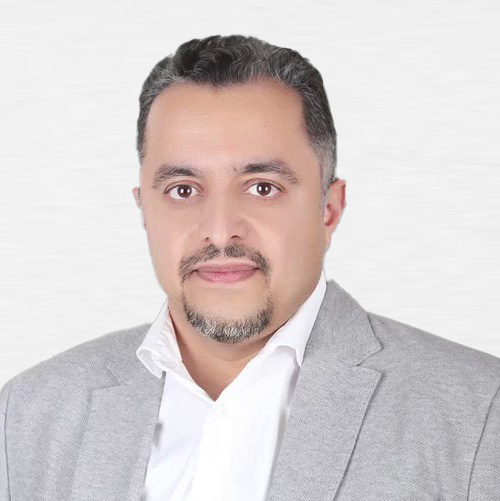
Musaab Mulla
Vice President, Energy & Economic Insights in Strategy & Marketing Analysis, Saudi Aramco -
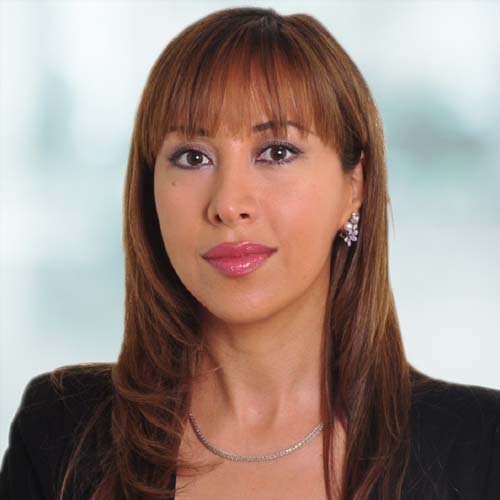
Carole Nakhle
Founder & CEO, Crystol Energy -
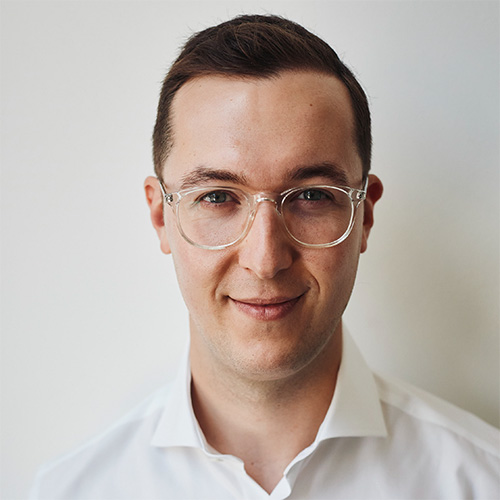
Arthur Richier
Head of Strategic Partnerships, Vortexa
Arthur Richier
Head of Strategic Partnerships, Vortexa
Arthur Richier is Head of Strategic Partnerships at Vortexa, a leading energy analytics company, where he oversees a global partnerships function spanning data procurement, strategic market positioning, and commercial revenue. With a career rooted in energy commodities, including price reporting at S&P Global Energy across oil and tanker markets, and strategy consulting at EY, he brings deep cross-sector expertise to the intersection of shipping intelligence and commodity markets. Arthur holds an MSc in Energy Management from ESCP Europe and a Foundation Diploma in Tanker Chartering from the Institute of Chartered Shipbrokers, and was recognised by Seatrade Maritime News as one of their 20 Under 40 maritime leaders in 2025.
-
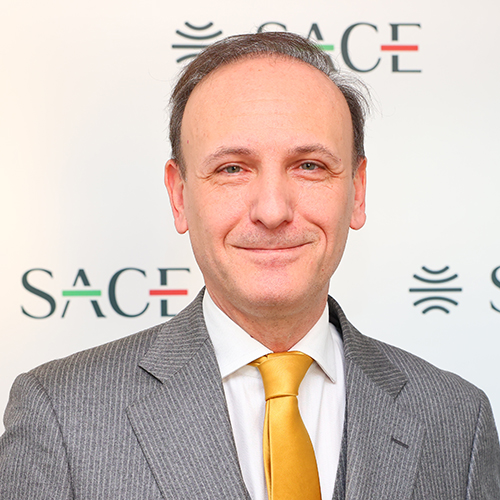
Guglielmo Picchi
Chairman of the Board of Directors, SACE
Guglielmo Picchi
Chairman of the Board of Directors, SACE
Guglielmo Picchi, appointed as the Chairman of the Board of Directors at Sace SpA in August 2025, holds extensive experience in both public and private sectors, particularly in international affairs and finance.
Currently, Mr. Picchi also serves as the CEO and Director General of the Machiavelli Foundation, a prominent geopolitical and strategic think tank, a role he has held since October 2022. Prior to this, from January 2022 to August 2025, he was the Head of Europe Public Affairs at roca Consulting Group in London. Between February and November 2023, he acted as Special Ambassador for Expo Roma 2030 to Central Asia and the Pacific Islands.
Mr. Picchi's extensive political career includes serving as a Member of the Chamber of Deputies of the Italian Parliament from May 2006 to October 2022. During this tenure, he contributed significantly to the Foreign Affairs Committee, the OSCE Parliamentary Assembly, and the NATO Parliamentary Assembly. From June 2018 to September 2019, Mr. Picchi held the position of Deputy Minister at the Ministry of Foreign Affairs and International Cooperation, where he oversaw Latin America, NATO, OSCE, cultural diplomacy, and arms export control.
In addition to his public service, Mr. Picchi has an extensive experience in finance. He was Vice President in Structured Finance on the Italian desk at Barclays Investment Bank in London from January 2002 to October 2022. Earlier in his career, he worked as an Auditor and Consultant at KPMG from September 1997 to June 2000.
He served as a Lieutenant in the Italian Air Force from April 1996 to July 1997.
Mr. Picchi's holds a full-time MBA from SDA Bocconi in Milan (2000-2001) and a BSc (cum laude) in Finance and Accounting from the University of Florence (1991-1996).
He is fluent in English, German, and Italian, has an intermediate command of Spanish, and possesses basic knowledge of Russian, French, and Danish.
Session 2: Energy Security, Connectivity, and Resilience: Improve Global Market Functioning or Find Energy Solutions Closer to Home?
Moderator
-
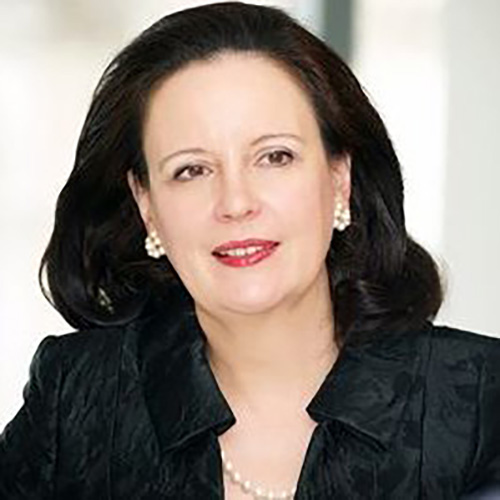
Cornelia Meyer
CEO, Meyer Resources
Cornelia Meyer
CEO, Meyer Resources
Cornelia Meyer is a business consultant, macro-economist and energy expert who previously worked at General Electric and BP before a varied career in advisory roles and board positions. She is Chairman and Chief Executive Officer of MRL Corporation and Chairman and Chief Economist of LBV Asset Management.
Ms Meyer was an investment banker before she joined the energy industry and was adviser to the Japanese Minister of Trade and Industry Yoshiro Mori in the 1990s.
She is a member of Oxford Energy Policy Club and serves on the Advisory Boards of the Istanbul Finance Summit and Euromoney.
Speakers
-
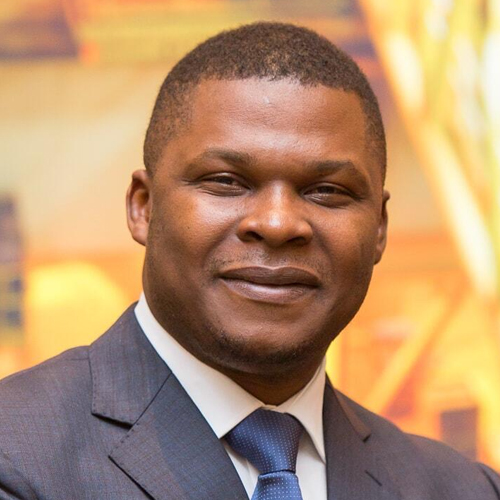
NJ Ayuk
Executive Chairman, African Energy Chamber
NJ Ayuk
Executive Chairman, African Energy Chamber
A leading authority in the African Energy sector and a strong advocate for African entrepreneurship and development, NJ Ayuk is recognised as the foremost figure in African business. He is the Executive Chairman of the African Energy Chamber, an organisation at the forefront of the African Energy industry and championing industry development, investments and local economic empowerment through the elimination of continent-wide energy poverty. As a renowned dealmaker, NJ is also the founder of the pan-African full suite law conglomerate – CLG (formerly Centurion Law Group).
NJ graduated from the University of Maryland College Park and earned a Juris Doctor from William Mitchell College of Law and an MBA from the New York Institute of Technology. NJ cut his teeth practising across multiple jurisdictions and advising major companies and governments on energy related issues, investment strategies and epoch- making deals for over 2 decades.
Beyond his impeccable advisory and deal closing roles, NJ is also a prolific speaker and bestselling author. He is the author of “Big Barrels”, Amazon and Wall Street Journal’s bestseller “Billions at Play: The Future of African Energy and Doing Deals” and Amazon bestseller – A Just Transition: Making Energy Poverty History with an Energy Mix. His consistency and impartial challenge against unjust global energy trends which could negatively impact Africa and her people have seen him addressing world leaders and executives at prestigious events around the world.
Drawing from experience working with the United Nations, he advises governments on judicial modernization, rule of law issues, and the training of African judges, prosecutors and lawyers on a pro bono basis. Mr. Ayuk regularly participates in industry-specific conferences and seminars as a speaker and moderator. Since 2018, he is also the executive chairman of the African Energy Chamber where he leads continent-wide efforts to build domestic capacity and advocate for a stronger and more united African energy industry.
He continues to play a significant role in developing policies and strategies to create and maintain a thriving investment environment on the continent while advancing regulations, attracting investments and enhancing local content participation across the energy sector value chain. -
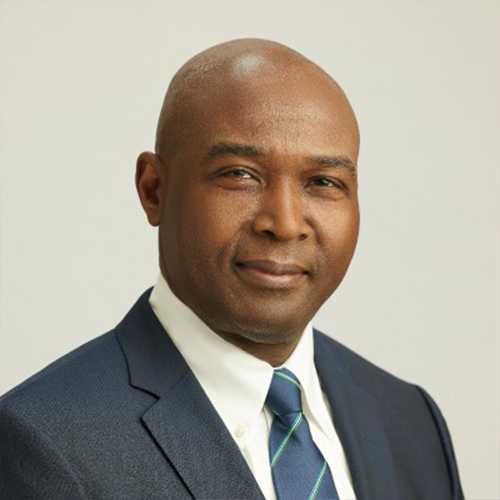
Philip Mshelbila
Secretary General, GECF | Gas Exporting Countries Forum
Philip Mshelbila
Secretary General, GECF | Gas Exporting Countries Forum
HE Dr Philip Mshelbila assumed office on 1 January 2026 as the fifth Secretary General of the Gas Exporting Countries Forum (GECF).
Dr Mshelbila is a senior energy executive with over 30 years of experience, most of which covered the global natural gas / liquefied natural gas (LNG), and power sectors.
His career spans executive management, board-level governance, strategic communications and stakeholder management, healthcare, sustainability, and large-scale project development.
Prior to joining the GECF, he spent more than two decades with Shell, most recently serving as Managing Director and Chief Executive Officer of Nigeria LNG and previously as Chief Executive Officer of Atlantic LNG in Trinidad and Tobago.
He has lived and worked across Africa, America, Europe and the Caribbean, and is now based in the Middle East.
He holds an MB,BS from Ahmadu Bello University, a postgraduate qualification from the University of Aberdeen, and an Executive MBA from IESE Business School, Spain.
-
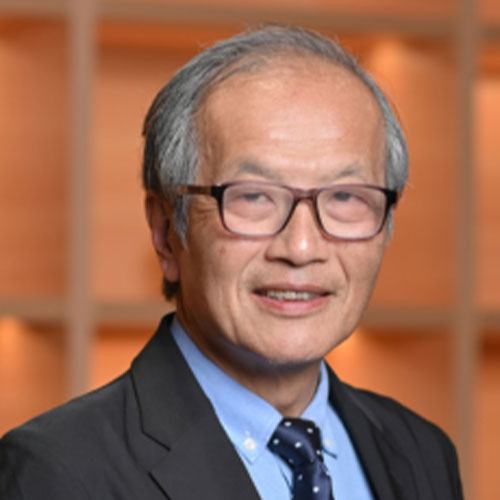
Jun Arima
Chief Sustainability Officer, JOGMEC | Japan Organization of Metal and Energy Security
Jun Arima
Chief Sustainability Officer, JOGMEC | Japan Organization of Metal and Energy Security
Jun Arima is Chief Sustainability Officer, Japan Organization of Metal and Energy Security (JOGMEC) and Visiting Professor, Graduate School of Public Policy, University of Tokyo. He also serves as, Consulting Fellow at the Research Institute of Economy, Economy, Trade and Industry (RIETI), Distinguished Senior Research Fellow at the Asia Pacific Institute of Research (APIR), and Senior Policy Fellow for Energy and Environment at the Economic Research Institute for ASEAN and East Asia (ERIA). He was a Lead Author of the Intergovernmental Panel of Climate Change (IPCC) 6th Assessment Report.
His publication includes "Energy Policies of the IEA Countries" (2003-2006 editions), "Memoir of the Kyoto Protocol" (2014), "Truth of Global Warming Negotiation – Economic War on National Interests-"(2015), "Global Warming Countermeasures with Pragmatism – Paris Agreement and Thereafter" (2016), "Trump Risk – America First and Global Warming" (2017), "Policy Recommendations by the Quadripartite Commission on the Indian Ocean Regional Security" (Chapter 2) (2017), "Japan’s Energy Conundrum" (Chapter 11) (2018), "Finding a Viable Path for Reducing GHG Emissions2 (2019 King Abdullah Petroleum Studies and Research Center (KAPSARC), "Eco-fundamentalism as a Grist to China’s Mill" (2021), "Eco-fundamentalism will ruin our country" (2021), and "Eco-Fascism –Diseases calling for Decarbonization, Renewables and Nuclear Phase-out" (2022 Joint Authorship).
-
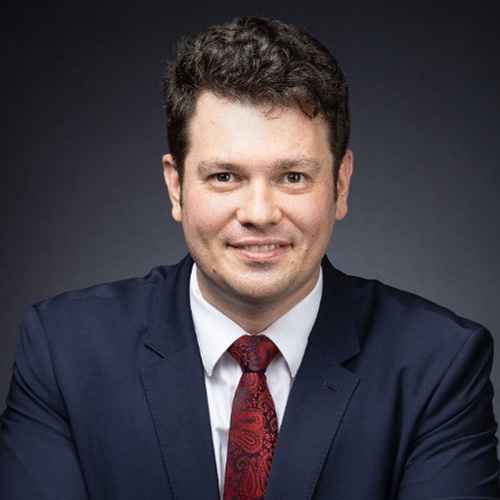
Cosmin Ghita
CEO, Nuclearelectrica
Cosmin Ghita
CEO, Nuclearelectrica
Cosmin Ghita is a graduate of Bates College of the United States, with specialization in international political economics. He started his career in the USA, with Chevron, Washington, contributing then to the company’s efforts in Romania. During the period 2015-2017, he was a partner in the private investment fund in energy Amerocap, headquartered in New York, supporting transactions and efforts for attracting capital in the field of energy and mineral resources, in Romania, Ukraine and the United Kingdom. He then held the position of advisers of the Prime Minister of Romania on issues of energy security and energy policy. Since September 2017, he has been occupying the position of Chief Executive Officer of Nuclearelectrica.
Mr. Cosmin Ghita is the first Romanian elected within the Main Governing Board of World Association of Nuclear Operators (“WANO”), contributing to the fulfilment of the objectives of this international associations of strengthening nuclear safety and the culture of nuclear safety, with impact on all nuclear power plants in the world. Mr. Ghita is fluent in Romanian, English, Russian and French.
-
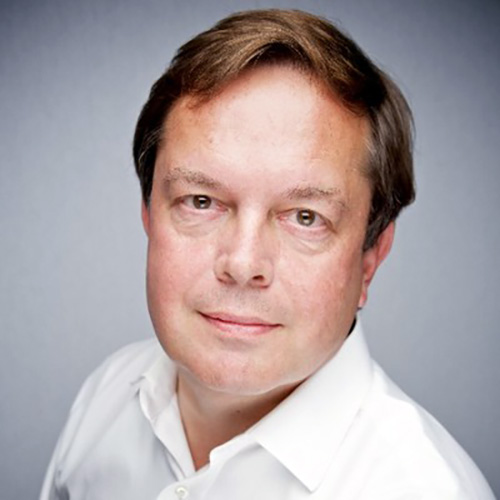
Hari Dattatreya
Senior Vice President Energy Markets & Asset Transition, Vopak -
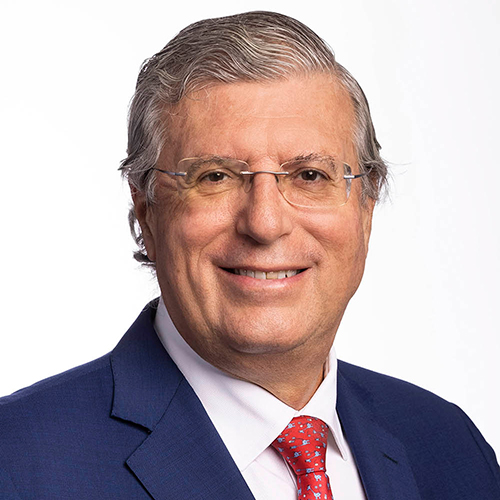
Pedro Miras Salamanca
President, WPC Energy
Pedro Miras Salamanca
President, WPC Energy
With more than 30 years of experience in the energy sector, Pedro Miras has held key roles across both private and public institutions. Over the course of his career, he has worked extensively at REPSOL, covering areas such as institutional, international, refining, and strategic planning. He has also served at the National Energy Commission, focusing on the regulation of oil & biofuels; at the International Energy Agency (security of supply); and at CORES (security of supply for oil & gas).
As WPC Energy President (on secondment from REPSOL), Pedro has overseen the rebranding and renaming of the organisation, the successful 24th Congress held in Calgary, and preparations for the forthcoming 25th WPC Energy Congress in Riyadh, Saudi Arabia on 26-30 April 2026.
Pedro has also served as President of the Spanish Strategic Petroleum Reserves Corporation (CORES), Chairman of the Standing Group on Emergency Questions (SEQ) and Market (SOM) of the International Energy Agency, Institutional Affairs & Organisations and Chairman’s Office Director (REPSOL) and Member of the Steering Committee and the Board of Directors of Enerclub (Club Español de la Energía) among other relevant positions.
-
Ximena Vasquez-Maignan
Counsel, White and Case
Ximena Vasquez-Maignan
Counsel, White and Case
Ximena is a project finance lawyer who has been working in the nuclear sector for more than twenty years. She worked for EDF, at the OECD Nuclear Energy Agency as Head of the Office of Legal Counsel and in private practice. She specializes in nuclear law, with a particular expertise in nuclear liability. She advises governments and public organizations, investors, operators, equipment and service providers, as well as insurers, in the development and monitoring of nuclear projects worldwide. She chairs several groups addressing financing of nuclear projects and the liability regime applicable to fission and fusion projects.
Session 3: Access to Electrons, Molecules, and Minerals: Trade-Offs to Keep Shared Goals within Reach
Moderator
-
Manoj Narender Madnani
Founder & Group CEO, DSA Investments
Manoj Narender Madnani
Founder & Group CEO, DSA Investments
Manoj Narender Madnani is Founder and Group Chief Executive Officer of DSA Investments and a global energy and infrastructure strategist, investor, board member and adviser. Over more than three decades, he has been directly involved in transactions totaling approximately US$40 billion across energy, infrastructure, technology and emerging markets.
His work sits at the intersection of energy security, reliable and affordable power, capital and the accelerating energy requirements of data centres and artificial intelligence. He has a deep understanding of both the Oil and LNG value chain, including supply, logistics, regasification and flexible gas-to-power solutions, as well as the investment and partnerships required to deploy energy infrastructure across diverse markets.
Previously, as Managing Director, International at MARA, Manoj shaped the company’s international power-sector growth strategy and developed its footprint in Saudi Arabia and Oman. He developed MARA’s partnership with DEMA Energy, a Saudi technology company focused on demand response, grid flexibility and AI-enabled energy management. This work connected digital-infrastructure expansion with the generation capacity, energy supply and system flexibility required to support it at scale.
Earlier, Manoj spent nearly a decade as Managing Director and a member of the Management Board of Kulczyk Investments, leading major energy and infrastructure transactions across emerging markets.
He is a Board Member of Polsat International, working with key stakeholders to advance the group’s international strategy and global footprint.
Manoj is a member of the International Energy Forum’s Industry Advisory Council and contributes to high-level dialogue on energy security, critical minerals, investment and the foundations of resilient and competitive global energy systems. In February 2026, he addressed the IEF in Riyadh on the role of critical minerals in building a secure, resilient and competitive energy future.
A frequent international speaker and moderator, Manoj has appeared at India Energy Week, FII, Gastech, AIM Summit and The Energy Council. He brings a practitioner’s perspective to the defining questions of the next energy era: how to secure supply, mobilize capital, integrate technology and meet accelerating power demand without compromising affordability or resilience. His H2H and 1+1=11 philosophy reflects his belief that trusted relationships and aligned interests create exponential outcomes.
Speakers
-
Ayla Majid
Founder and CEO, Planetive
Ayla Majid
Founder and CEO, Planetive
Ayla is the founder of Planetive and a Young Global Leader at the World Economic Forum, where she serves on the Global Future Council on Energy. She advances energy transition, sustainable finance, and inclusive economic opportunity through public and private board roles, policy advocacy, and writing on energy, digital transformation, and diversity.
-
Yavuz Arık
Senior Partner, Energytools, LLC -

Carmen Elena Cirnu
Scientific Director, The National Institute for Research & Development in Informatics - ICI Bucharest
Carmen Elena Cirnu
Scientific Director, The National Institute for Research & Development in Informatics - ICI Bucharest
Dr. Carmen Elena Cirnu is a strategic leader in digital transformation, cybersecurity, and critical infrastructure resilience, with over two decades of experience at the intersection of technology, policy, and international cooperation. She serves as Scientific Director and Senior Scientific Researcher at National Institute for Research and Development in Informatics – ICI Bucharest, where she leads initiatives in cybersecurity, emerging technologies, digital governance, and innovation.
Her expertise spans critical infrastructure protection, cyber diplomacy, artificial intelligence, high-performance computing, blockchain, and closely follows emerging quantum technologies. Dr. Cirnu has coordinated numerous European and international research programs and is the founder of the International Conference on Cyber Diplomacy and the Cyber Diplomacy Center.
Recognized among leading voices in technology governance and digital resilience, she actively contributes to international dialogue on the secure, ethical, and sustainable adoption of emerging technologies. Her work focuses on strengthening resilience across energy, digital, and strategic infrastructures while fostering cross-sector collaboration between governments, industry, academia, and international organizations.
-
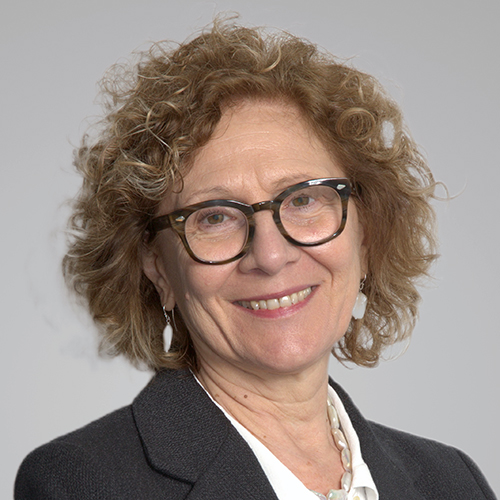
Daniela Gentile
Chief Executive Officer, Ansaldo Nucleare
Daniela Gentile
Chief Executive Officer, Ansaldo Nucleare
Appointed CEO of Ansaldo Nucleare in November 2023, Daniela Gentile is a Chemical Engineer with over 40 years of experience within the Ansaldo Group, spanning nuclear, power generation, waste-to-energy, innovation, and energy transition technologies.
She began her career in 1985 at Ansaldo as a Process Engineer for fluid systems in Nuclear Power Plants, later progressing through roles of increasing responsibility including Project Manager for Flue Gas Treatment Plants, positions within the Commercial Team of Ansaldo Volund, and Head of Engineering at Ansaldo Tecnitalia, an EPC company in the Waste-to-Energy sector.
In 1999, she joined Ansaldo Energia, where she led Procurement Marketing and the development of the company’s digital procurement platform. Appointed Chief Procurement Officer in 2004, she subsequently became Director of the Project Management Department for Power Plants and New Units in 2010.
From 2012, Daniela led Innovation and Product Development at Ansaldo Energia and following the acquisition and integration of Alstom Power’s divested assets, she headed Ansaldo Energia Group R&D up to 2020.
In 2020, she was appointed Senior Vice President for Innovation and Quality of Ansaldo Energia. In July 2021, she became CEO of Ansaldo Green Tech, the Group company dedicated to energy transition solutions, while continuing to serve as Chief Innovation Officer of Ansaldo Energia.
-
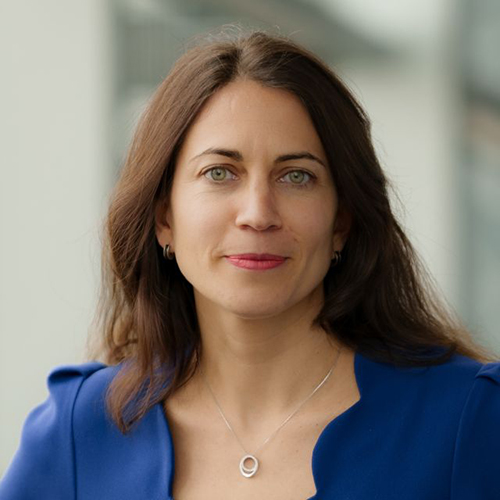
Astrid Poupart-Lafarge
Global VP Industries, Aveva/Schneider Electric
Astrid Poupart-Lafarge
Global VP Industries, Aveva/Schneider Electric
Astrid Poupart-Lafarge is AVEVA VP Industries, she heads all the industrial practices of AVEVA spanning across Oil & Gas, Power & Utilities, Chemical, MMM, Life Science, and Consumer products. Leveraging deep industry expertise, the division helps industries to better leverage AVEVA industrial intelligence software in their digital transformation journey.
Prior to this, Astrid served as Schneider Electric Global Segment President for Energies and Chemicals Industries leading strategy, marketing, domain expert and global strategic account team.
She has also experience in Strategic Account Management, as well as Oil & Gas segment leader in west Africa. She used to head Strategy and Marketing with Schneider Electric in Nigeria.
Prior to Schneider Electric, Astrid was head of business development and M&A in a renewable energy company headquartered in Paris, France.
Astrid has a tracked record of more than 20 years of experience in strategy, marketing, sales, M&A, in Oil & Gas, utilities and renewable power plants fields. She holds a master’s degree in Engineering from Ecole Centrale Paris.
She lives in France with her family.
-
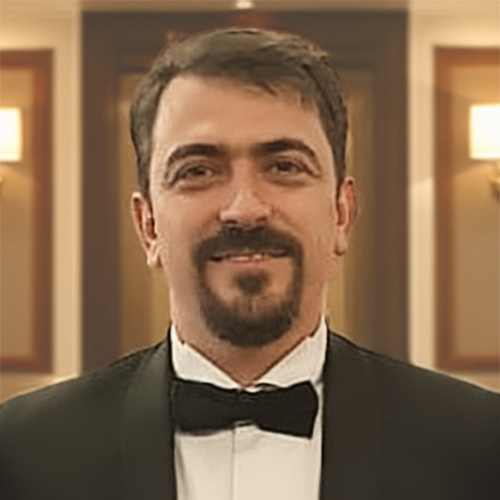
Alex Rosu
Chief Executive Officer, Verde Magnesium
Alex Rosu
Chief Executive Officer, Verde Magnesium
Alex Rosu has 20 years of experience in the natural resources sector, serving as a regional head for Amerocap and deputy CEO for a European refinery. Alex has good business development experience in emerging markets having negotiated large commercial and M&A contracts in energy and commodities.
-
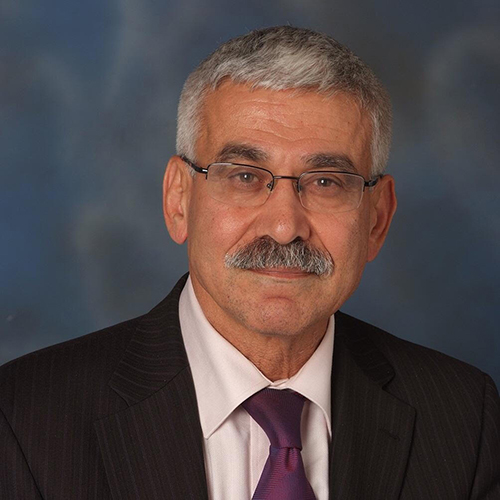
Adnan Shihab-Eldin
Senior Visiting Research Fellow, Oxford Institute of Energy Studies
Adnan Shihab-Eldin
Senior Visiting Research Fellow, Oxford Institute of Energy Studies
Adnan Shihab-Eldin is a Senior Visiting Research Fellow at the Oxford Institute for Energy Studies and a founding member of the Board of Directors of the Kearney Energy Transition Institute (Netherlands). He previously served as Director General and board member of the Kuwait Foundation for the Advancement of Sciences (2007–2021) and held the roles of Acting Secretary General and Director of Research at OPEC (2000–2006). Earlier in his career, he held senior leadership positions at UNESCO and the International Atomic Energy Agency (IAEA). In Kuwait, Dr. Shihab-Eldin was Director General of the Kuwait Institute for Scientific Research (KISR) and served as a faculty member and Vice Rector for Academic Affairs at Kuwait University.
Shihab-Eldin is currently an adjunct professor at the Executive Academy of the Vienna University of Economics and Business (WU), and continues to teach, deliver invited lectures, and publish research on energy policy, technology, and economics. He serves on numerous international boards and advisory councils, including the International Advisory Council of the American University of Beirut (AUB), the International Advisory Council of Ambrosetti – The European House, and the joint Board of Georgetown University Qatar (GU-Q). In 2023, he was appointed to the Board of Sponsors of the Bulletin of the Atomic Scientists, founded by Albert Einstein.
Dr. Shihab-Eldin earned all his degrees from the University of California, Berkeley, and is the recipient of several prestigious international honors, including the 2018 Haas International Alumni Achievement Award from UC Berkeley, the 2022 Lifetime Professional Achievement Award from the International Association for Energy Economics, and the 2023 Salam Spirit Award from the International Centre for Theoretical Physics (ICTP), Trieste, Italy
-
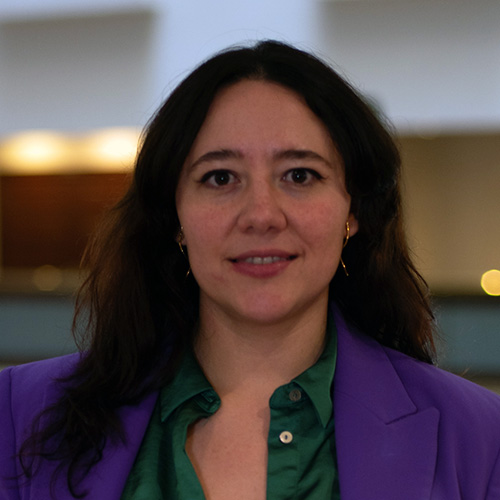
Raquel Heredia Silva
Senior Programme Lead, Strategic Partnerships, World Nuclear Association
Raquel Heredia Silva
Senior Programme Lead, Strategic Partnerships, World Nuclear Association
Raquel Heredia is Senior Programme Lead for Strategic Partnerships at the World Nuclear Association, where she leads engagement across end energy users, the nuclear industry, and multilateral organisations to translate energy demand into nuclear deployment strategies and inform policy development.
Her work sits at the intersection of policy, strategy, and stakeholder engagement, focusing on how nuclear technologies can enable equitable and practical low-carbon transitions across the global economy.
Raquel holds a degree in Sustainable Development Engineering with a specialisation in Nuclear Energy from the Monterrey Institute of Technology and Higher Education, and a Master's in Development Studies from the Institute of Development Studies at the University of Sussex, where she focused on the socio-political dimensions of energy transitions.
She is also an active advocate for diversity in the energy sector and for encouraging women and girls into STEAM careers.
Session 4: Fuel Security, Decarbonization, and Affordability: Policy and Sustainable Financing Impact on Energy Investment and Trade
Moderator
-
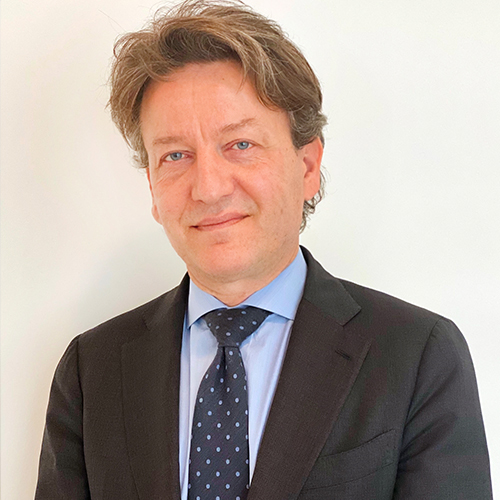
Christof van Agt Ross
Director of Dialogue, IEF
Christof van Agt Ross
Director of Dialogue, IEF
Christof van Agt Ross is the Director of Energy Dialogue and leads IEF programs that advance producer-consumer country energy dialogue and collaboration through IEF ministerial fora, stakeholder meetings with partner organisations, and other government platforms such as the G20.
His work at the IEF includes coordination of the trilateral work programme with the International Energy Agency (IEA) and Organization of the Petroleum Exporting Countries (OPEC), as well as collaboration on energy security, market transparency, and orderly and inclusive transitions with other institutions, industry stakeholders, national agencies, and research centers. Until his appointment as a Director, van Agt Ross was a Senior Energy Analyst in the Energy Dialogue Division.
Prior to joining the IEF, van Agt Ross was a Senior Research Fellow at the Clingendael International Energy Programme with the Netherlands Institute of International Relations Clingendael where he published and trained international relations and energy market dynamics to diplomats and private sector trainees.
Other previous assignments include: International Energy Agency (IEA) as Programme Manager for the Caspian region, Energy Charter Secretariat negotiating international energy frameworks, and the European Commission External Relations Directorate on technical assistance in the energy sector of Central and Eastern European Studies.
His 28-year association with energy and international relations began with a placement at the Institute for International Energy Law of the University of Leiden in the Netherlands 1992 where he studied Russian and multidisciplinary studies on Eastern Europe.
Speakers
-
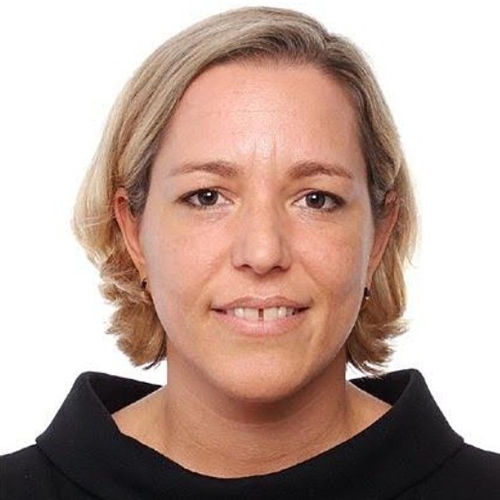
Jennifer Coolidge
CEO, CMX Caspian Gulf
Jennifer Coolidge
CEO, CMX Caspian Gulf
Jennifer Coolidge is Founder and CEO of CMX, a frontier market entrepreneur based in the Kurdistan Region of Iraq, and a renowned expert on the oil and gas sectors of the Arabian Gulf, Kurdistan, Iraq, Syria, the Caspian basin, and the Eastern Mediterranean.
Coolidge and the CMX team have advised CEOs and senior executives at more than 50 IOCs, commodities traders, technology companies, and hedge funds on strategy, investment decisions, M&A, market entry, risk mitigation, E&P, and global oil and gas market dynamics. The combined market cap of CMX’s clients totals over $2.272 trillion.
CMX is a member of the International Energy Forum's Industry Advisory Council in Riyadh. The Industry Advisory Council provides a vital bridge between policymakers and industry leaders. By bringing real-world expertise into global energy dialogue, it strengthens trust, fosters cooperation, and helps ensure that policies and partnerships remain grounded in market realities. Coolidge has a global network of ministerial and senior government officials and corporate executives, and extensive experience of risk mitigation in warzone environments.
Big Heart Foundation, the NGO she chairs in a pro bono capacity, has delivered more than $185 million in humanitarian aid to 3.9 million people in northern Syria since 2012. Coolidge was inaugural Senior Research Advisor for the Gas Programme at the Oxford Institute for Energy Studies, received a D.Phil. from the University of Oxford, and wrote “Turkmenistan: an exporter in transition” in Russian and CIS gas markets and their impact on Europe.
LinkedIn: https://www.linkedin.com/in/dr-jennifer-coolidge-fei-999a122ba/
-
Jun Arima
Chief Sustainability Officer, JOGMEC | Japan Organization of Metal and Energy Security
Jun Arima
Chief Sustainability Officer, JOGMEC | Japan Organization of Metal and Energy Security
Jun Arima is Chief Sustainability Officer, Japan Organization of Metal and Energy Security (JOGMEC) and Visiting Professor, Graduate School of Public Policy, University of Tokyo. He also serves as, Consulting Fellow at the Research Institute of Economy, Economy, Trade and Industry (RIETI), Distinguished Senior Research Fellow at the Asia Pacific Institute of Research (APIR), and Senior Policy Fellow for Energy and Environment at the Economic Research Institute for ASEAN and East Asia (ERIA). He was a Lead Author of the Intergovernmental Panel of Climate Change (IPCC) 6th Assessment Report.
His publication includes "Energy Policies of the IEA Countries" (2003-2006 editions), "Memoir of the Kyoto Protocol" (2014), "Truth of Global Warming Negotiation – Economic War on National Interests-"(2015), "Global Warming Countermeasures with Pragmatism – Paris Agreement and Thereafter" (2016), "Trump Risk – America First and Global Warming" (2017), "Policy Recommendations by the Quadripartite Commission on the Indian Ocean Regional Security" (Chapter 2) (2017), "Japan’s Energy Conundrum" (Chapter 11) (2018), "Finding a Viable Path for Reducing GHG Emissions2 (2019 King Abdullah Petroleum Studies and Research Center (KAPSARC), "Eco-fundamentalism as a Grist to China’s Mill" (2021), "Eco-fundamentalism will ruin our country" (2021), and "Eco-Fascism –Diseases calling for Decarbonization, Renewables and Nuclear Phase-out" (2022 Joint Authorship).
-
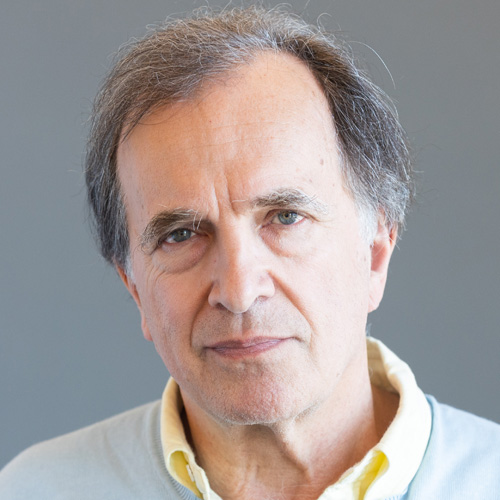
Antoine Halff
Co-founder and Chief Analyst, Kayrros
Antoine Halff
Co-founder and Chief Analyst, Kayrros
Antoine Halff is a Non-Resident Fellow at the Center on Global Energy Policy, Columbia University and chief analyst at Kayrros, a climate and energy data analytics company he co-founded in 2016. Earlier positions include chief oil analyst at the International Energy Agency (IEA) and editor of its flagship publication, the Oil Market Report (OMR); lead industry economist at the U.S. Energy Information Administration; head of commodities research at Société Générale brokerage unit Newedge; director of the global energy practice at political-risk consultancy Eurasia Group and New York bureau chief at the Energy Intelligence Group, publisher of Petroleum Intelligence Weekly and other newsletters.
Halff is the co-editor of Energy Poverty: Global Challenges and Local Solutions (Oxford: Oxford University Press, November 2014), which former World Health Organization head Gro Harlem Brundtland called “an excellent resource for the thoughtful analyst and political leader.” He earned his Masters degree from the Ecole des Hautes Etudes en Sciences Sociales in Paris and served as the Adjunct Professor of International & Public Affairs at Columbia University from 2006 to 2012. He has lived in Paris, Seoul, New York and Washington.
-
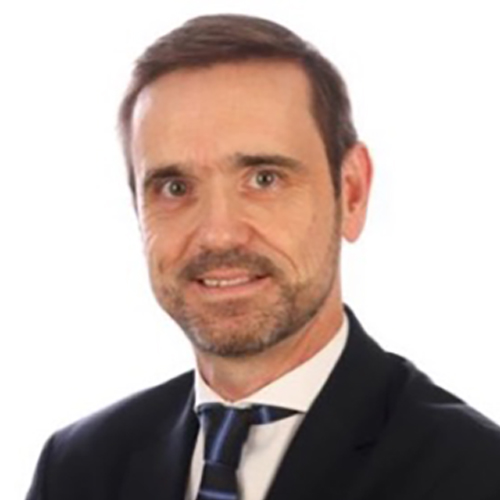
Javier Canalejo
Head of International Relations, Repsol
Javier Canalejo
Head of International Relations, Repsol
Javier Canalejo has more than 25 years of International business experience within the Energy sector, holding senior and leadership roles across various functions and contributing to the strategic direction and operational performance of the organization.
Prior to his current role, he occupied senior positions at Repsol in the areas of Risk Management, Compliance, Audit, Sustainability and Procurement, both at the corporate level and internationally, including medium-term assignments in the United States.
Before joining Repsol, he worked as a financial auditor at the consulting firm KPMG.
Javier Canalejo holds a degree in Economics and Business Administration from the University of Córdoba and completed international studies at the University of the West of England (Bristol, UK). He also holds an Executive Master’s in Management from Universidad Austral (IAE).
-
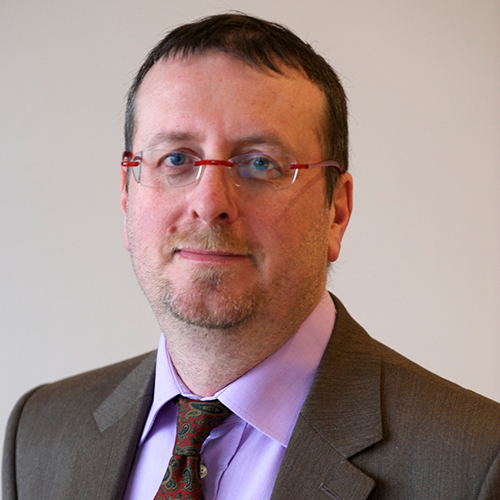
David Chiaramonti
Chair of CEM Biofuture Platform initiative and Full Prof., Politecnico of Turin
David Chiaramonti
Chair of CEM Biofuture Platform initiative and Full Prof., Politecnico of Turin
David Chiaramonti, PhD, is full professor of “Energy Economics” as well as “Bioeconomy and bioenergy for the Mediterranean area and third Countries” at the Politecnico di Torino and chairs the Renewable Energy COnsortium for R&D (RE-CORD). Former Vice Rector for International Affairs at Politecnico di Torino (2021-2024), he authored >180 journal publications and coordinated or participated to many EU projects on biofuels, biochar and bioeconomy. On biofuels, he focuses on innovative solutions to Advanced Biofuels, process and sustainability modelling, and policy analysis and scenario modelling. On pyrolysis and biochar, he focuses on production technologies, reactor design and innovative processes, product characterization, carbon permanence and use in soil, biochar applications in energy and non-energy sectors (as steel and cement), integration of biochar in the GHG balance of biofuels, and EU-International policies. Former member of IEA-Bioenergy TCP, he is member of the UN-ICAO task force on Alternative Fuels for aviation (WG5), EU ETIP-Bioenergy, and Board member of the Italian Cluster SPRING on green Chemistry. He coordinated the DG ENER ART Fuel industrial Forum on sustainable biofuel production and use, and formerly the EU European Sustainable Biofuel Forum. He provides technical support to various EC DGs and Italian Ministries on sustainable biofuels studies and assessments (MASE and MIT), as well as ICAO. He is member of the Expert Group on Carbon Removal and Carbon Farming by EC DG Clima. He was awarded the Linneborn Prize at EUBCE-2017 in Stockholm, and is included in the Stanford University list of 2% most cited scientist. Since June 2025 he chairs the Biofuture Platform, a Clean Energy Ministerial (CEM) global initiative of 25 Countries, with IEA acting as facilitator.
-
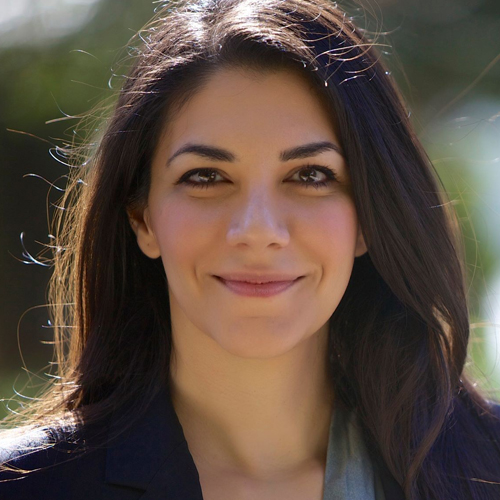
Christina Deligianni
Verimpact, CEO & Co-Founder; Policy & Programs Director at the Institute for Sustainable Development, ISD, EPLO
Christina Deligianni
Verimpact, CEO & Co-Founder; Policy & Programs Director at the Institute for Sustainable Development, ISD, EPLO
Ms. Christina Deligianni, an EU Climate Pact Ambassador, is the CEO of Verimpact, which delivers AI-based ESG and non-financial risk management solutions, and the Policy & Programs Director, Institute for Sustainable Development – EPLO, a joint initiative with the University of Cambridge CISL. With 25+ years of experience in public policy, sustainability, and business development, she has led European and international projects in new technologies, the blue economy, and sustainable development. She has advised major institutions, including the National Fund of Greece, the European Commission, and FAO, and holds degrees from the University of Chicago (Fulbright Scholar) and the University of Athens.
-
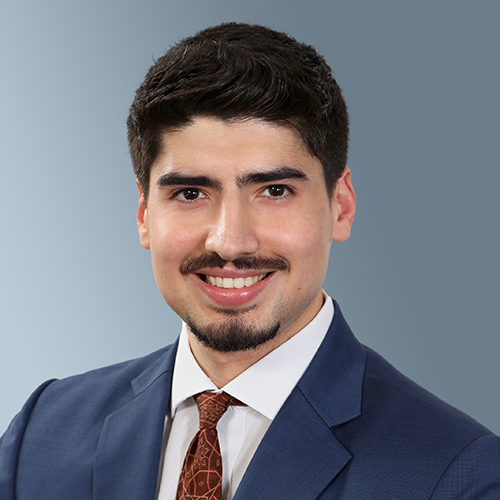
Anwar Gasim
Principal Fellow, King Abdullah Petroleum Studies and Research Center (KAPSARC)
Anwar Gasim
Principal Fellow, King Abdullah Petroleum Studies and Research Center (KAPSARC)
Anwar Gasim is an energy economist with a strong engineering foundation and 15+ years of research, advisory, and leadership experience focused on energy policy and climate change mitigation. His expertise cuts across multiple domains, from energy and environmental economics to energy and climate policy analysis to greenhouse gas emissions measurement, reporting, and verification (MRV).
Dr Gasim is currently a Principal Fellow in KAPSARC's Climate & Sustainability Division, leading flagship projects on methane measurement and mitigation, energy price reform, and air pollution. He is recognized for translating complex technical issues into actionable recommendations for policymakers. He also has a proven track record of publishing high-impact papers, which have been cited by regional and international media. He is a Lead Author for the IPCC’s Seventh Assessment Report (AR7).
Dr Gasim holds a PhD in Energy Economics from University College London (UCL), an MSc in Electrical Engineering from KAUST, and a BEng in Electronics and Communication Engineering from the University of Liverpool.
-
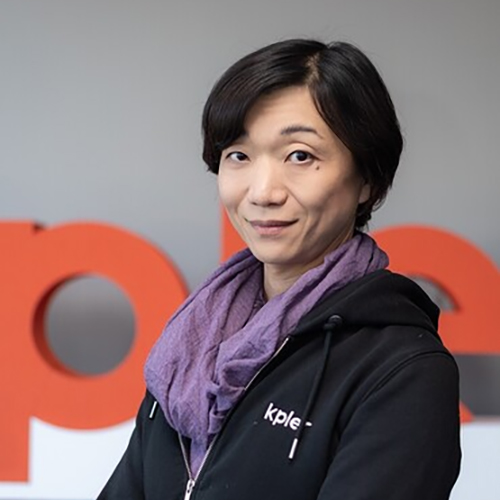
Yui Torikata
Principal Analyst, Crude Market Data, Kpler
Yui Torikata
Principal Analyst, Crude Market Data, Kpler
Yui is Principal Market Analyst at Kpler ensuring data quality and creating Kpler data value proposition with profound understanding on energy market analysis, data ingestion/compilation methodologies, as well as data dissemination and visualization.
Previously at the International Energy Forum (IEF), Riyadh Saudi Arabia, Yui oversaw the Joint Organisation Data Initiative (JODI) – a global energy data transparency initiative gathering key oil and gas supply/demand indicators form its participating countries representing around 90% of the total world volume.
Before joining IEF, Yui was a senior energy statistician at the International Energy Agency (IEA) responsible for the world energy balances – a foundation of energy supply and demand forecasts as well as energy outlooks.
Closing Plenary: Meeting the Moment in a Disrupted World IAC Recommendations to IEF17 Ministerial on Dialogue and Data
-
Jassim Alshirawi
Secretary General, IEF
Jassim Alshirawi
Secretary General, IEF
Jassim Alshirawi is the sixth Secretary General of the International Energy Forum (IEF), the largest international organization of energy ministers, headquartered in the Diplomatic Quarter of Riyadh, Saudi Arabia. His term officially began on January 1, 2025.
The first Secretary General of the IEF from the Middle East, Mr. Alshirawi is seasoned veteran of the energy industry with over 40 years of energy experience and leadership in both the public and private sectors.
Mr. Alshirawi contributed to the advancement of Bahrain's energy sector in various roles, including as advisory to the Minister of Oil & Gas, and in multiple leadership roles at the Bahrain Petroleum Company (Bapco), the National Oil & Gas Authority, the Ministry of Oil. He has contributed towards the development of the Sustainable Energy Centre, that oversaw the implementation of National Renewable Energy and Energy Efficiency Plans under Bahrain's Minister of Electricity and Water.
He has coordinated Bahrain's participation in a number of energy organizations, including WPC (now WPC Energy), the International Gas Union (IGU), the IEF, and OPEC.
With seven years of experience as Bahrain's representative on the Executive Board and nine years on the International Support Group of the International Energy Forum, Mr. Alshirawi brings in-depth knowledge of the organization he now leads.Mr. Alshirawi's lifelong contributions to Bahrain's energy and engineering sectors were honored in 2019 when His Majesty King Hamad Bin Isa Bin Salman Al Khalifa awarded him the prestigious the Order of National Action medal.
Photo Gallery
Key Documents
Previous IAC Meetings
-
Industry Advisory Council Meeting: Scaling Energy Investment, Innovation, and Resilience
03 February 2026, Riyadh, Saudi Arabia -
IEF Industry Advisory Council Meeting
17 June 2025, Paris, France
