
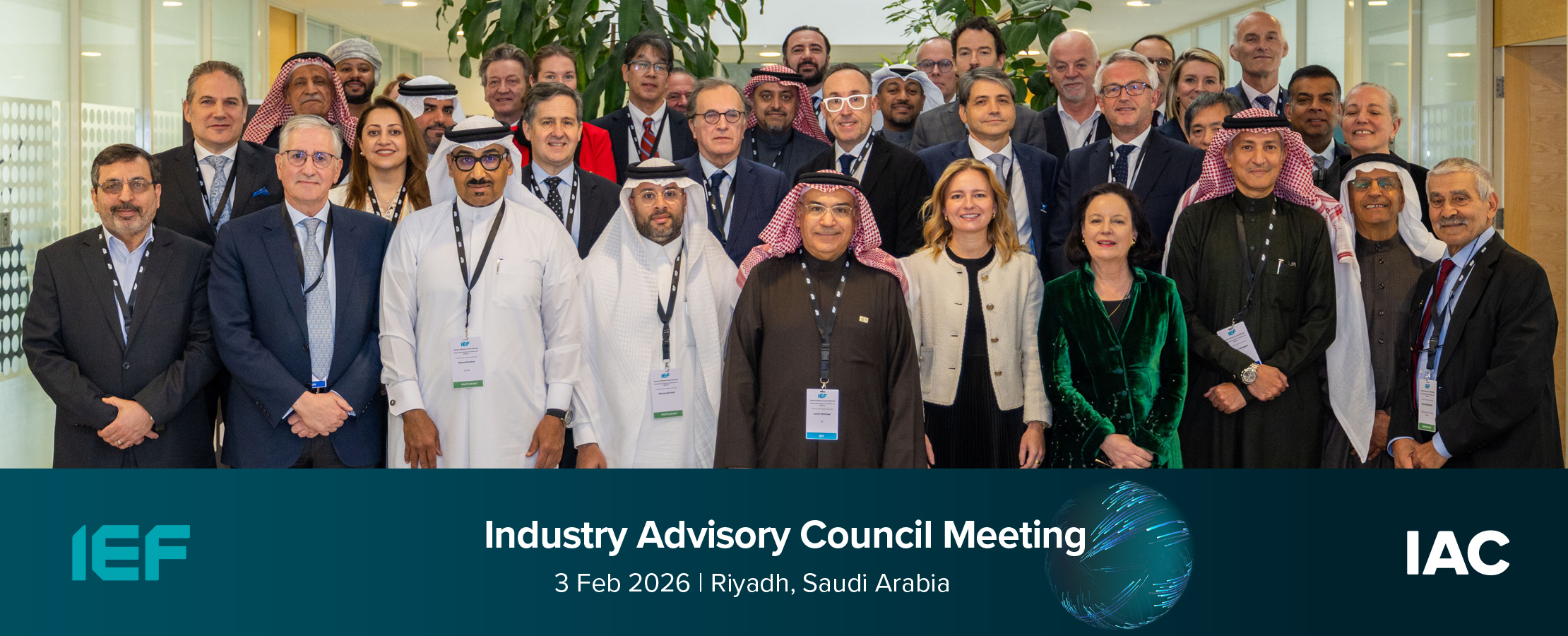
Industry Advisory Council Meeting: Scaling Energy Investment, Innovation, and Resilience
Tuesday 03 February 2026
Riyadh, Saudi Arabia


A Critical Minerals Enabled Energy Future
The global energy system is entering a decisive phase defined by persistent volatility, shifting capital flows, and widening divergences in regional energy transitions. Industry leaders face mounting pressure to deliver reliable, affordable, and cleaner energy while adapting to tight supply chains, rising financing costs, geopolitics, and evolving consumer expectations and regulation.
Billions must benefit from unfettered access to affordable, clean, and reliable energy. Empowering persistently underserved populations and supercharging rising consumer and artificial intelligence energy demand with critical minerals enabled modern day electrification, hydrocarbon, and sustainable fuel solutions, is the civilizational challenge that governments enable and industry lead.
Against this backdrop of progressive technology breakthroughs and policy evolutions, the International Energy Forum's Industry Advisory Council (IAC), meeting in person on 3 February 2026 at the International Energy Forum headquarters in the Diplomatic Quarter of Riyadh, provided a vital arena for open exchange, helping bridge perspectives and strengthen producer–consumer cooperation to manage historic energy system and market transformations.
In 2025, IAC deliberations in Paris underscored the need to recalibrate energy transitions to reinforce security and competitiveness by scaling investment, while accelerating innovation across the technology spectrum to boost resilience. At the same time, supply chain constraints in renewables, nuclear, LNG, and critical minerals highlighted structural gaps that risk slowing investments in both legacy and emerging energy systems. These dynamics demand practical strategies to better align short-term deliverability with unrelenting energy demand growth trends and more diverse long-term visions.
As the energy sector pivots toward new growth markets, from clean hydrogen and next-generation nuclear, to low-carbon fuels, CCUS, and more resilient and advanced power grids, global companies call out for more policy and regulatory clarity. This includes cohesive and interoperable standards, predictable policy frameworks informed by robust data, and public private partnerships to accelerate both financing, permitting and other measures that derisk energy investment. Enhancing predictability to strengthening resilience in an era of fragmentation is therefore central to maintaining the stable, competitive, and integrated global markets upon which producers and consumers depend to meet the age-old challenge of delivering affordable, clean and reliable energy today and in future.
Meeting on the eve of the 16th IEA-IEF-OPEC Symposium on Energy Outlooks, the 2026 IAC brought together leaders from across the value chain to explore opportunities for investment, innovation, and collaboration. Insights generated at this meeting will feed into the IEF17 Ministerial to be held on 26 April in Riyadh, helping shape a forward-looking agenda that reinforces energy security, affordability, and the global competitiveness of the energy industry.
Structured in three thematic sessions to address the challenges and opportunities that transformative energy market and policy dynamics create currently and imply for the future, the IEF Advisory Council helped foster more cohesively shared visions with actionable strategies to strengthen energy security and clean technology priorities of all IEF stakeholders.
Speakers
Welcome and Opening
-
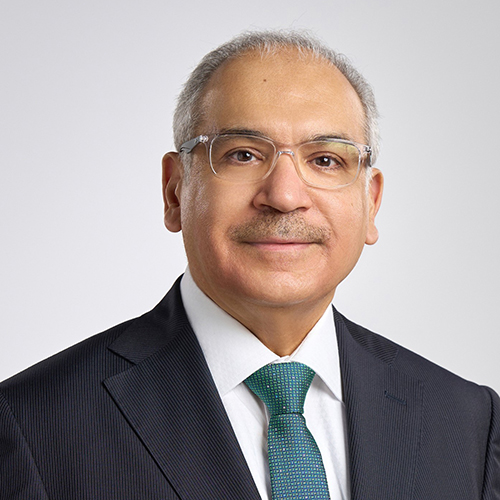
Jassim Alshirawi
Secretary General, IEF
Session 1: Competing for Capital: Rebuilding Confidence in Global Energy Investment, Clean Competitiveness, and Resilience
Moderator
-
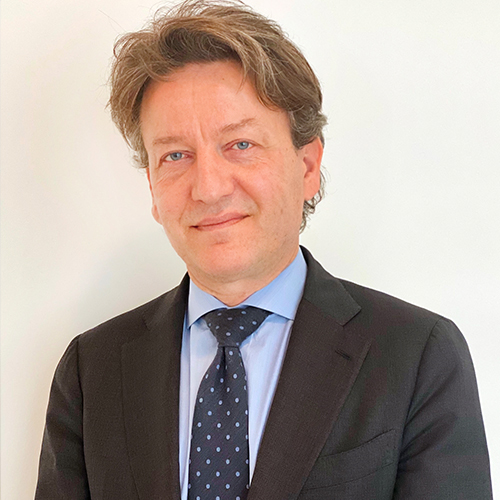
Christof van Agt Ross
Director of Dialogue, IEF
Speakers
-
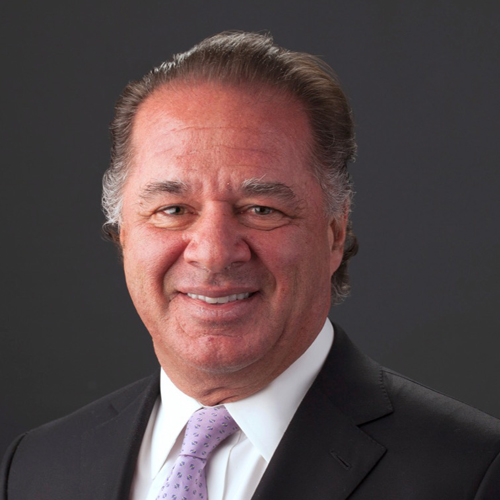
Charif Souki
Chairman, Phoenix Energy -
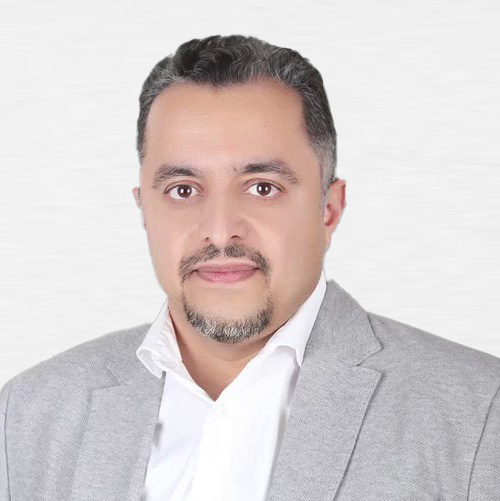
Musaab Mulla
Vice President, Energy & Economic Insights in Strategy & Marketing Analysis, Saudi Aramco -
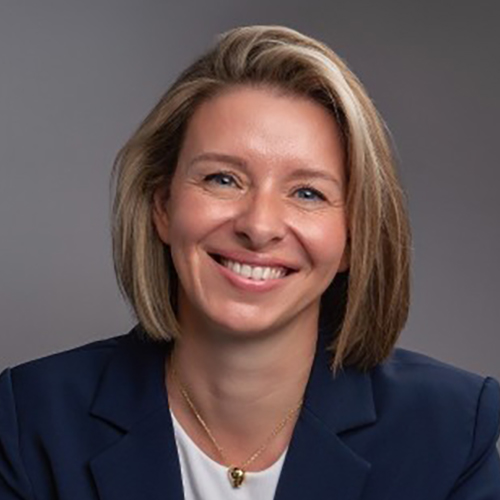
Geraldine Wessing
Chief Political Analyst, Shell -
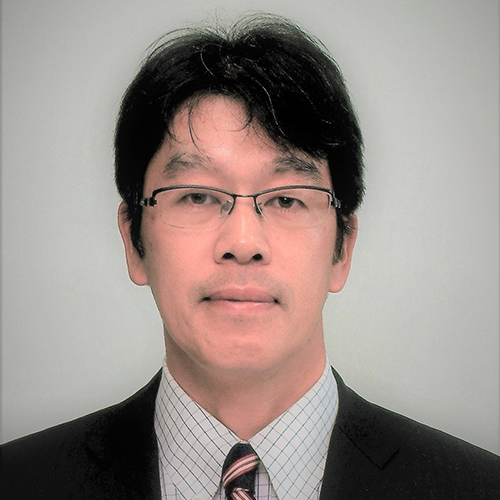
Yoshikazu Kobayashi
Senior Research Director, Manager, Research Strategy Group, Assistant Director, New Energy System Group, Clean Energy Unit, IEEJ
Session 2: Full-Spectrum Innovation: Delivering Clean Energy Growth in Diverse Market Settings
Moderator
-
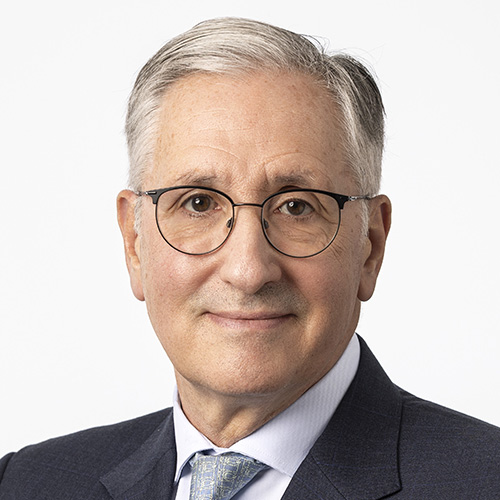
Iván Martén
Senior Advisor, Boston Consulting Group (BCG)
Speakers
-
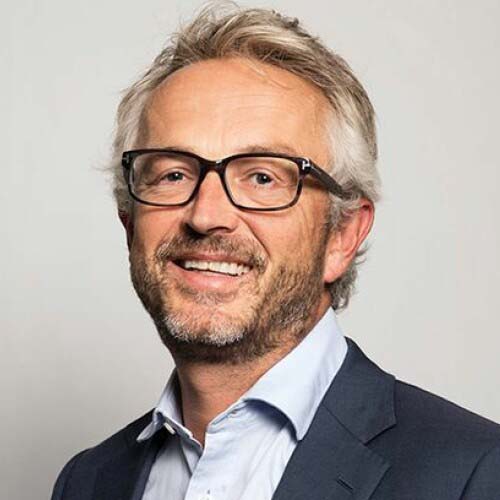
Bjørn Otto Sverdrup
Chair of the Executive Committee, OGCI | Oil and Gas Climate Initiative -
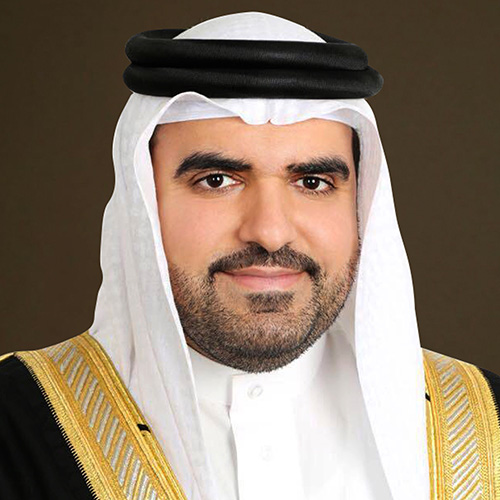
Sh. Ebrahim bin Khalid Al Khalifa
Group Senior Vice President Business Development and Relations, Bapco Energies -
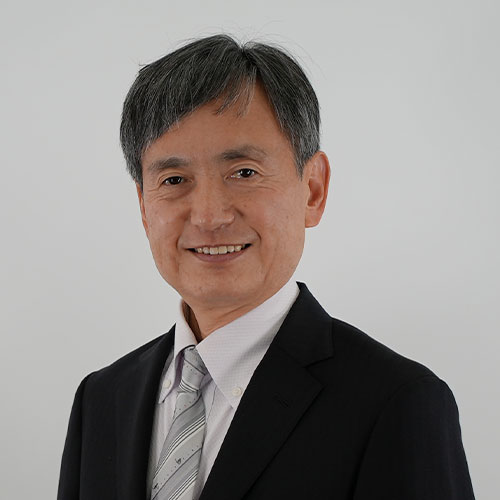
Koji Yamamoto
Senior Vice President, Energy Business Unit, Japan Organization for Metals and Energy Security -
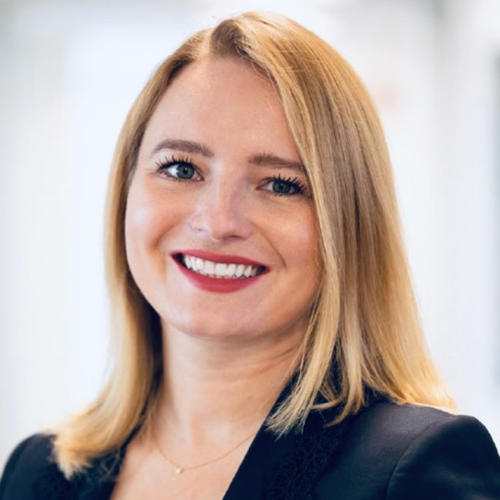
Lee Beck
Senior Vice President, Global Policy and Commercial Strategy, HIF Global -
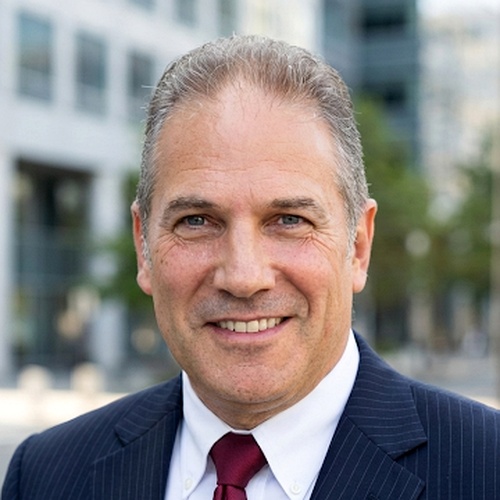
Yavuz Arık
Senior Partner, Energytools, LLC -
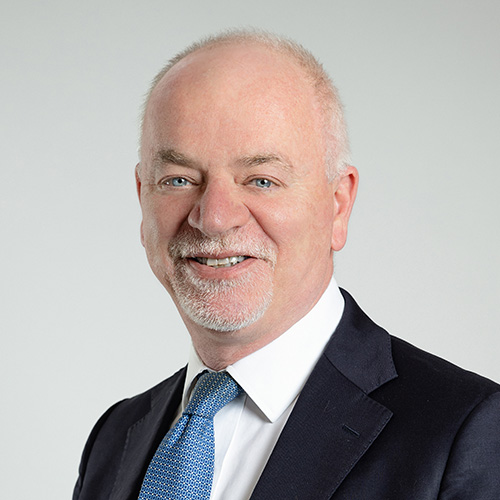
Lapo Pistelli
Director Public Affairs, ENI S.p.A.
Session 3: Critical Minerals: The New Foundations for a Clean Resilient and Competitive Global Energy System
Moderator
-
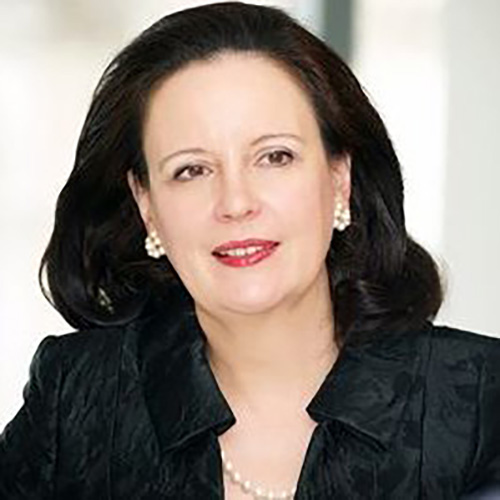
Cornelia Meyer
CEO, Meyer Resources
Speakers
-
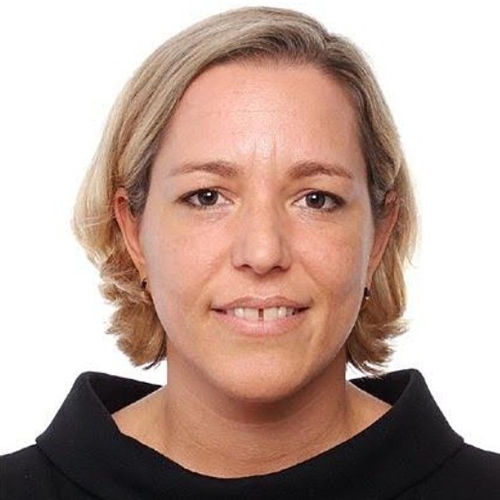
Jennifer Coolidge
CEO, CMX Caspian Gulf -
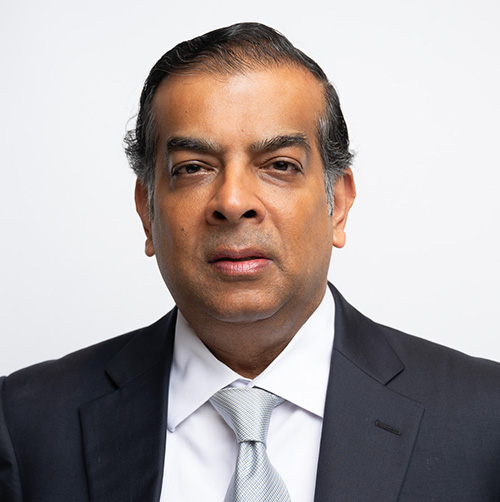
Manoj Narender Madnani
Founder & Group CEO, DSA Investments -
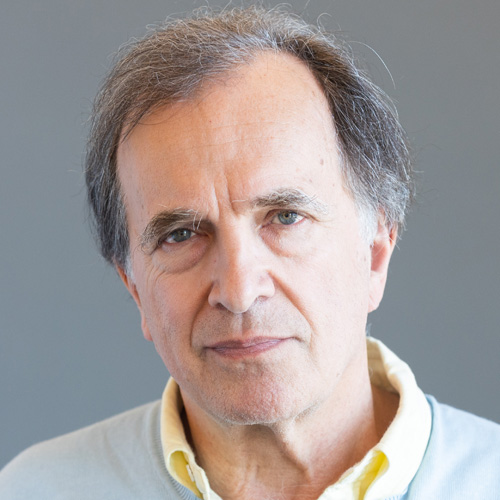
Antoine Halff
Co-founder and Chief Analyst, Kayrros -
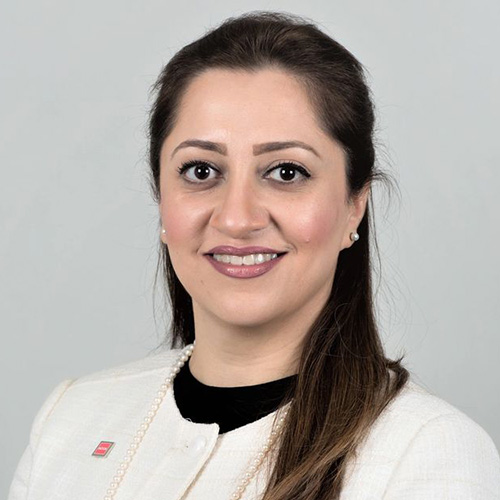
Ayla Majid
Founder and CEO, Planetive -
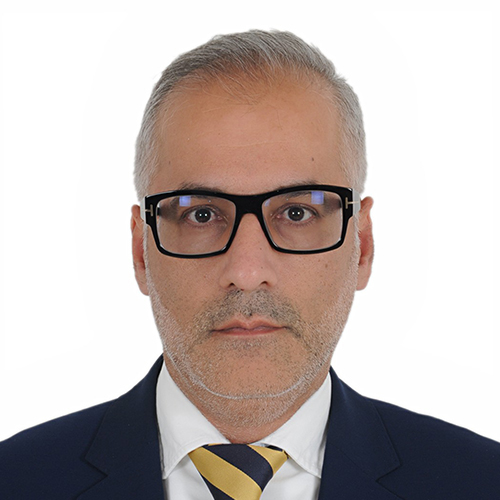
Ali Alsamawi
Senior Energy Analyst, IEF -
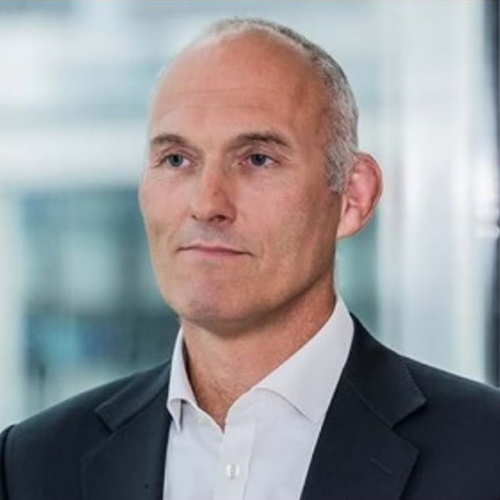
Julian Kettle
Vice Chair Metals and Mining, Wood Mackenzie
Powering The Way Forward: The IEF-IAC Partnership Engine
-
Jassim Alshirawi
Secretary General, IEF
Speaker Presentations
Session 1: Competing for Capital: Rebuilding Confidence in Global Energy Investment, Clean Competitiveness, and Resilience
-
Yoshikazu Kobayashi
Senior Research Director, Manager, Research Strategy Group, Assistant Director, New Energy System Group, Clean Energy Unit, IEEJ
Session 2: Full-Spectrum Innovation: Delivering Clean Energy Growth in Diverse Market Settings
-
Bjørn Otto Sverdrup
Chair of the Executive Committee, OGCI -
Koji Yamamoto
Senior Vice President, Energy Business Unit, Japan Organization for Metals and Energy Security
Session 3: Critical Minerals: The New Foundations for a Clean Resilient and Competitive Global Energy System
-
Ali Alsamawi
Senior Energy Analyst, IEF -
Ayla Majid
Founder and CEO, Planetive
Video Gallery
Highlights
Interviews
IEF-OGDC Memorandum of Understanding
Photo Gallery
Networking
Session 1
Session 2
Session 3
IEF - OGDC MoU Signing Ceremony
Key Documents
Previous IAC Meetings
-
Industry Advisory Council Meeting: Stabilizing Energy Markets in a Disrupted World
29 June 2026, Bucharest, Romania -
IEF Industry Advisory Council Meeting
17 June 2025, Paris, France
